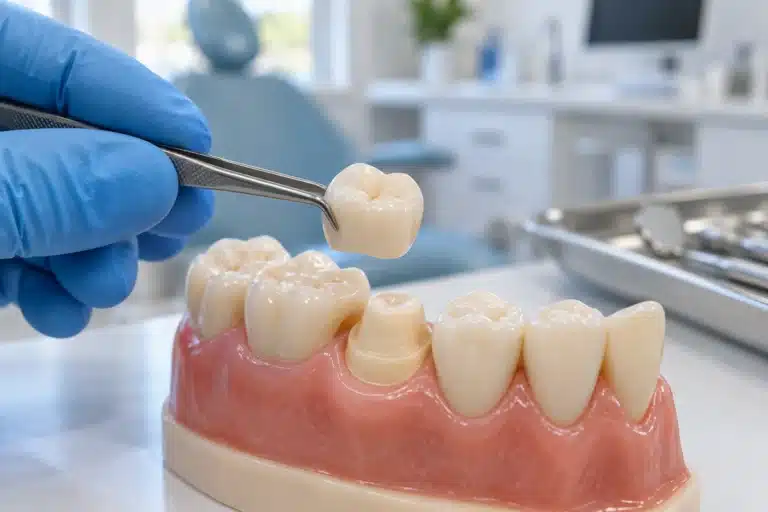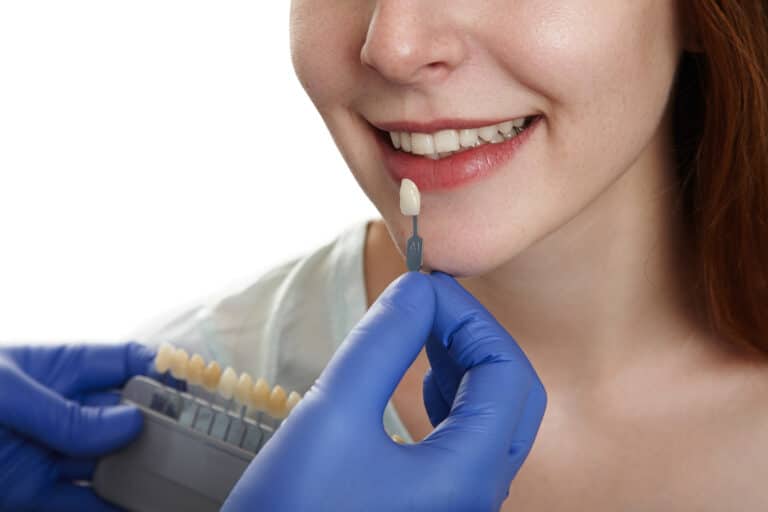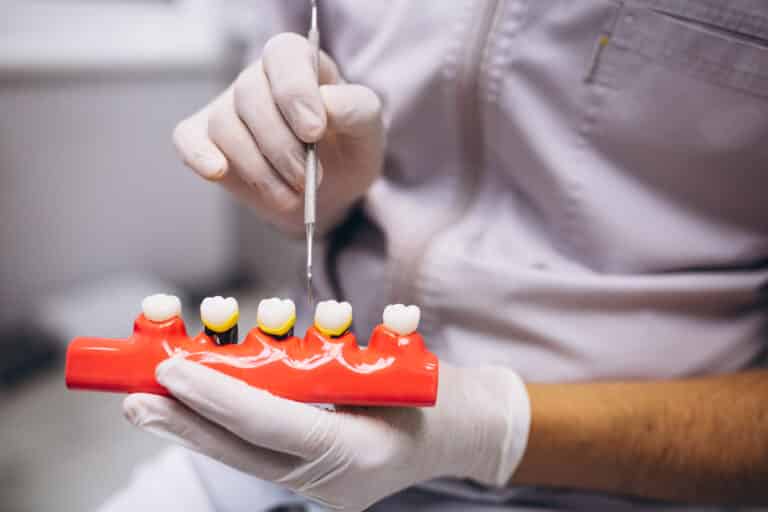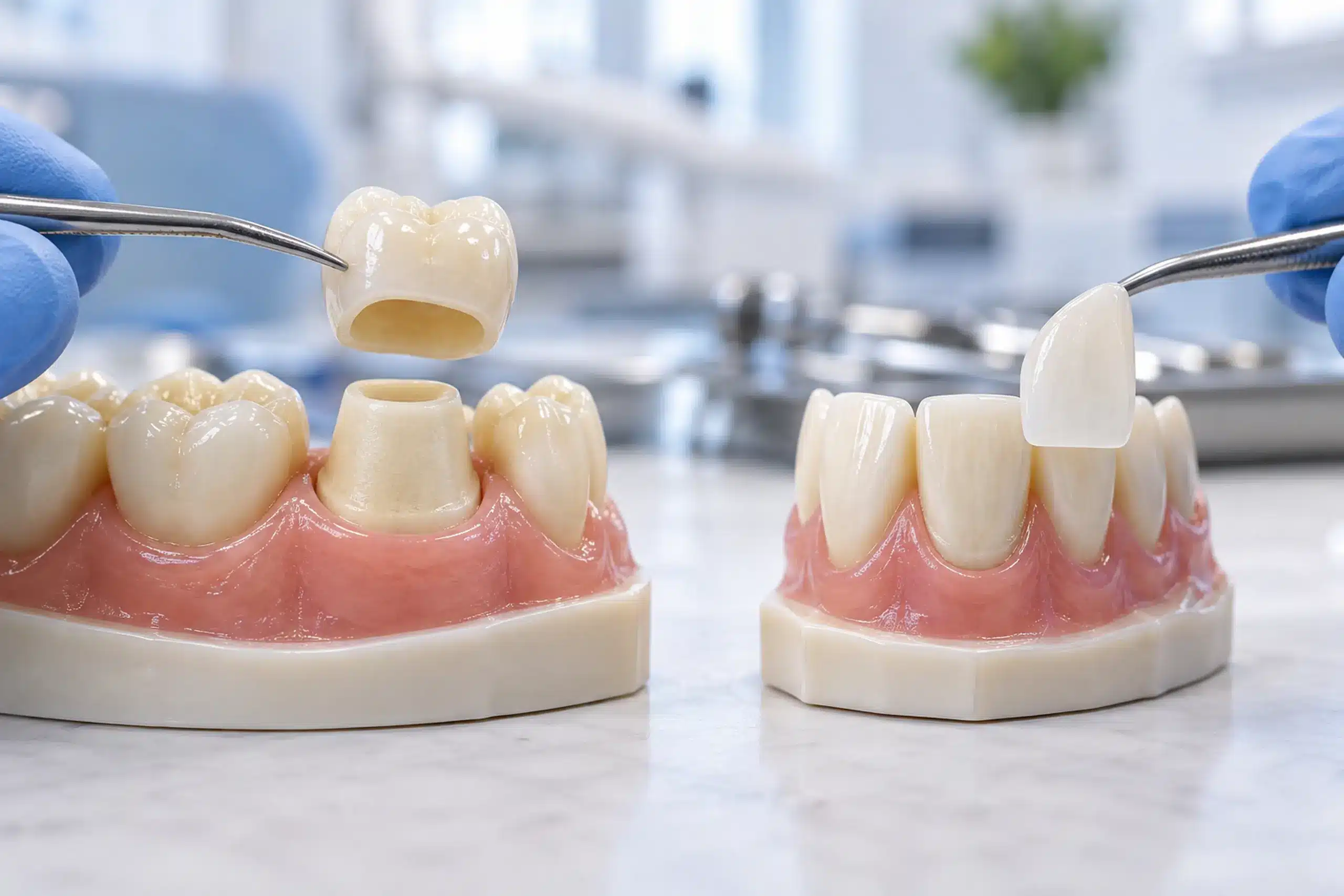

The difference between crown and veneer restorations comes down to coverage and purpose. A crown covers most or all of the visible tooth and is commonly used when a tooth needs substantial structural restoration, while a veneer covers mainly the front surface and is usually chosen for cosmetic changes when enough healthy tooth structure remains. Neither is universally better in the veneers vs crowns decision, and an examination determines which suits a particular tooth.
Table of Contents
Crown vs Veneer: The Main Differences at a Glance
This crown vs veneer comparison summarizes the typical differences.
| Feature | Crown | Veneer |
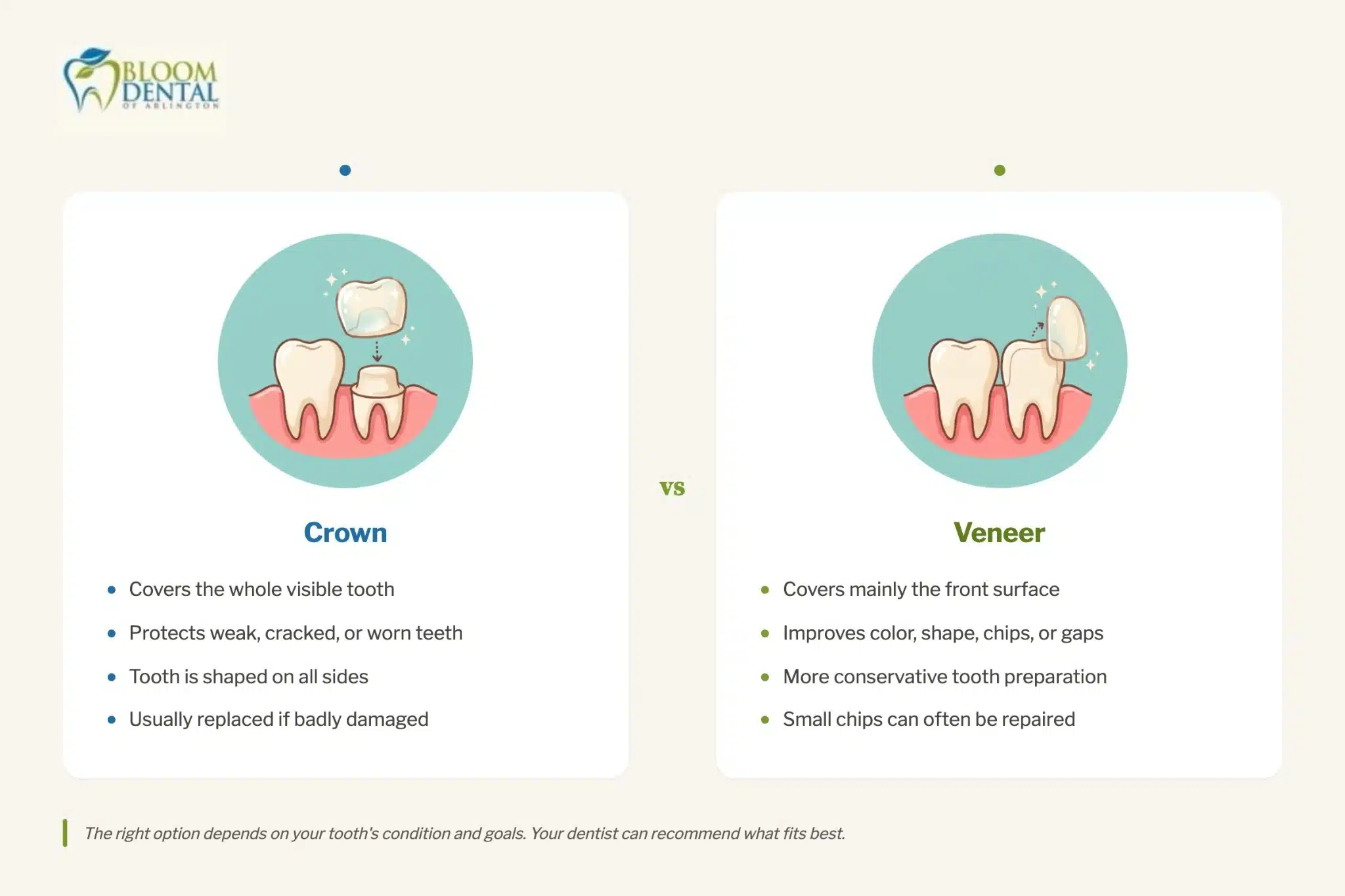
| Tooth coverage | Most or all of the visible tooth | Mainly the front surface |
| Typical purpose | Restoring and protecting a weak, cracked, worn, or heavily filled tooth | Improving color, shape, minor chips, or gaps |
| Tooth preparation | Reduction around all surfaces | More conservative, mostly the front surface |
| Materials | Ceramic, porcelain fused to metal, metal, or resin | Porcelain or composite resin |
| Durability considerations | May chip or fracture; fit at the margin matters | Fracture and debonding are the most reported problems |
| Repair or replacement | Often replaced if significantly damaged | Small chips may be polished or repaired; otherwise replaced |
| Cost factors | Material, fabrication, added treatment, insurance | Material, number of teeth, limited cosmetic coverage |
Veneer Prep vs Crown Prep: How Much Tooth Is Reshaped
Preparation is the clearest dental crown against veneer distinction. In a study in the Journal of Prosthetic Dentistry, veneer preparations removed roughly 3 to 30 percent of the visible tooth structure, compared with about 63 to 72 percent for full crowns. Those figures came from model teeth, so actual reduction depends on the material and the case. Veneers also bond more dependably to enamel than to dentin.
The main preparation differences are outlined below.
- Surfaces prepared: a veneer usually involves the front surface and sometimes the biting edge. A crown involves every side of the tooth and the chewing surface, because the tooth is reshaped into a smaller core that the crown fits over like a cap.
- Relative reduction: a veneer needs less reshaping, while a crown needs enough reduction on all sides to make room for the thickness of the material. Both are usually irreversible: the American Dental Association notes this for veneers because some enamel is removed, and a tooth prepared for a crown will always need a crown.
- Enamel preservation: a veneer depends on bonding, so preparation kept within enamel supports it, and thin or worn enamel may make a veneer less suitable. A crown is held mainly by the shape of the prepared tooth and dental cement, so it can restore a tooth with little enamel left.
- Variation by case: for veneers, the type of ceramic, dark discoloration, or tooth position can increase the reduction. For crowns, metal generally needs less reduction than ceramic or porcelain fused to metal, and a badly broken-down tooth may need to be built up before it is prepared.
Crown vs Veneer Pros and Cons
The crown vs veneer pros and cons depend on the condition of the tooth and the goal of treatment.
| Consideration | Dental Crowns | Dental Veneers |
|---|---|---|
| Main advantages | Full coverage that can strengthen and protect a weak, cracked, or root canal treated tooth | Can improve color, shape, and minor chips or gaps while generally preserving more tooth structure |
| Main limitations | Usually requires more tooth reduction; possible complications include sensitivity, chipping, and decay at the margin | Does not provide full coverage protection for a weakened tooth; may fracture or come loose, particularly with teeth grinding |
| Appearance | Can closely match neighboring teeth and may more completely mask severe discoloration | Can closely match neighboring teeth and improve the appearance of the front surface |
| Fracture considerations | The porcelain may chip or fracture | A systematic review of veneer complications identified fracture as the most common complication, followed by debonding |
| Future replacement | Because tooth structure is removed, a failed crown usually needs another restoration | Because tooth structure is usually removed, a failed veneer generally needs repair or replacement |
Either restoration may eventually need replacement, and results vary by patient.
Crown vs Veneer for Front Teeth
In crown vs veneer front teeth decisions, the deciding factors are usually remaining healthy structure, large fillings or cracks, bite forces, and whether the goal is mainly cosmetic, such as correcting discoloration or shape. A porcelain crown vs veneer can look equally natural. A front tooth that is intact but stained, slightly uneven, or chipped at the edge is often a reasonable veneer candidate. A front tooth with a large filling, a crack, or previous root canal treatment may need the fuller coverage of a crown, particularly with a heavy bite or grinding habit.
Crown vs Veneer Cost: What Affects the Price?
Cost varies with the material, number of teeth, preparation needs, fabrication method, additional treatment, insurance coverage, and location, so an estimate after an examination is more reliable than a general price range. Veneers placed for purely cosmetic reasons are often not covered by dental insurance, while a crown needed to restore a damaged tooth is more likely to receive partial coverage, depending on the plan. Any treatment needed first, such as root canal therapy or gum care, also adds to the total.
Is a Crown Better Than a Veneer?
The answer depends on the tooth. Both can last many years: one systematic review of porcelain veneers estimated 95.5 percent survival at 10 years, and a review of single crowns estimated five-year survival of 93.3 percent for all-ceramic and 95.6 percent for metal-ceramic crowns. These studies covered different materials and time frames and cannot predict an individual result. The American College of Prosthodontists lists very large fillings, root canal treatment, fractures, and wear from grinding among the reasons for a crown, and notes that a more conservative option such as a veneer may be indicated instead.
In deciding which is better, crown or veneer, dentists might weigh the following questions for their decision:
- Remaining tooth structure: is there enough healthy tooth to support a bonded veneer?
- Decay or large fillings: how much of the tooth has already been restored?
- Cracks: does the tooth need to be held together by full coverage?
- Available enamel: is there enough for dependable bonding?
- Bite and grinding: will heavy forces put the restoration at risk?
- Cosmetic goal: is the concern color and shape, or strength and function?
- Maintenance: is a night guard or closer follow-up likely to be needed?
When to See a Dentist Before Choosing a Crown or Veneer
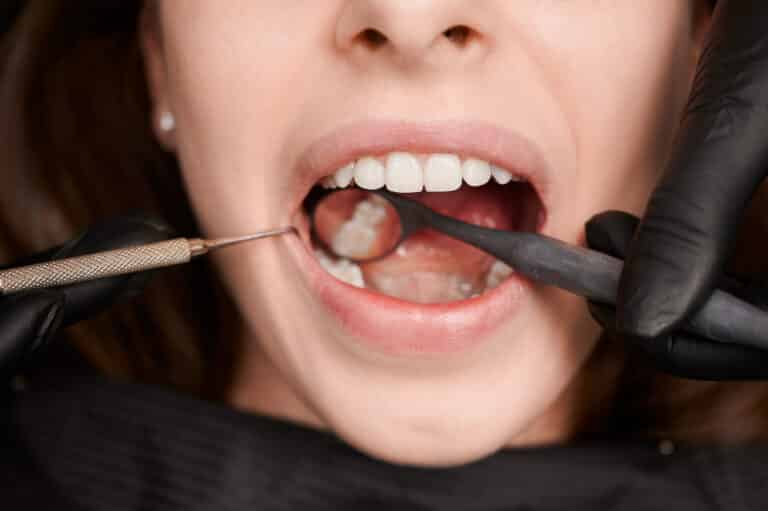
An examination with your dentist should come before either choice. The dentist will assess decay, cracks, existing restorations, enamel, gums, and bite, and may find that another treatment would better preserve the tooth. Pain when biting, lingering sensitivity, or a visible crack warrants a prompt appointment. Mentioning any grinding habit and previous work on the tooth also helps shape the recommendation.
At Bloom Dental of Arlington, recommendations begin with a careful examination and a clear explanation. Whether it points toward a dental veneer in Arlington for a cosmetic concern or toward dental crowns in Arlington for a tooth needing fuller protection, the team explains the benefits, risks, and maintenance involved.
Frequently Asked Questions
Can a veneer be replaced with a crown?
In many cases, yes. If a veneered tooth later develops decay, a fracture, or significant loss of structure, a dentist may recommend a crown because it covers the whole tooth. The reverse is generally not possible, since crown preparation removes more tooth structure.
Do crowns last longer than veneers?
Not necessarily. Research reports high survival for both, and longevity depends more on the material, the tooth, bite forces, and oral hygiene than on the type of restoration alone.
Which looks more natural, a crown or a veneer?
Both can look natural when made from modern ceramics and matched carefully to neighboring teeth. The outcome depends on the material, the color of the underlying tooth, and the quality of the laboratory work.
Can you get a veneer on a tooth with a large filling?
Sometimes, but a large filling reduces the enamel available for bonding and may leave the tooth weaker. After examining the tooth, a dentist may recommend a crown instead.
Are veneers less invasive than crowns?
Generally, yes. Veneers usually involve reshaping mainly the front surface, while crowns require reduction around the whole tooth, although the amount varies by case and material.
Can a crown or veneer fix a chipped front tooth?
Often, yes. A small chip may be managed with bonding or a veneer, while a larger break that weakens the tooth may call for a crown. An examination is needed to check for cracks or nerve involvement.
Do crowns and veneers stain?
Porcelain and ceramic resist staining well, but composite materials and the edges where a restoration meets the tooth can discolor over time. Restorations do not respond to whitening products, so shade is best discussed before treatment.