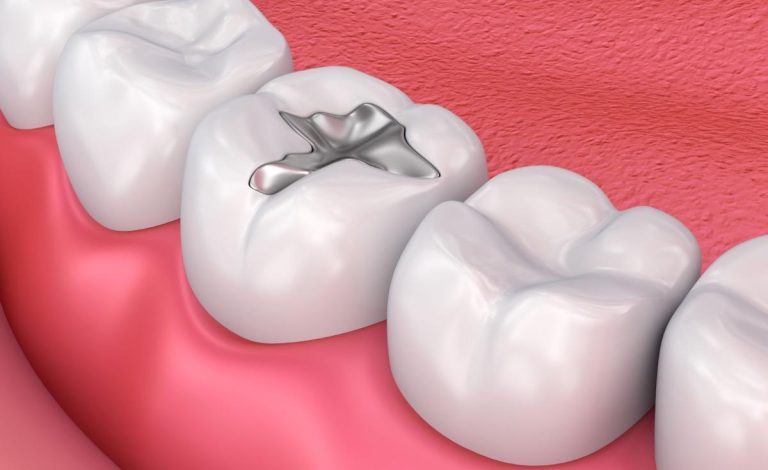
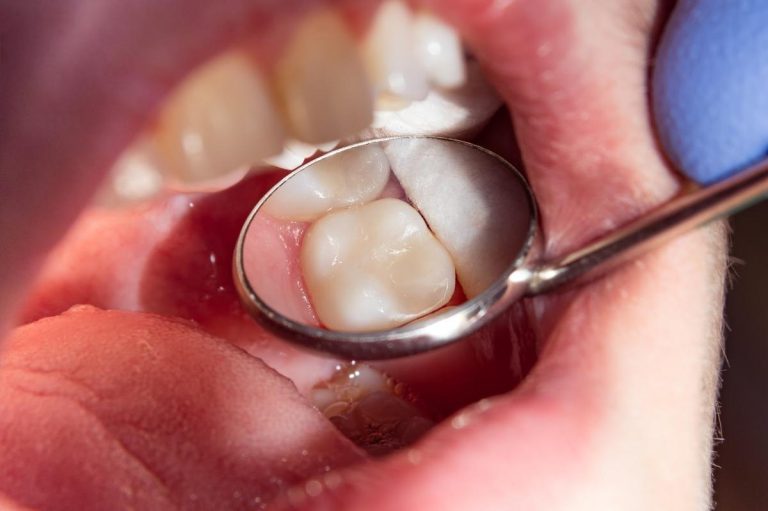
It’s normal to feel some discomfort after a filling. Pain typically settles after a few days. In the meantime, you likely want to find some tooth pain relief after a dental filling. Discover details about the process and tips on relieving tooth pain after a filling.
Table of Contents
Is Tooth Pain After a Filling Normal?
Yes. Mild tooth pain after a filling is common and usually improves within a few days to two weeks. Many patients experience temporary sensitivity to hot, cold, pressure, or sweet foods as the tooth adjusts after treatment.
However, severe pain, worsening symptoms, or discomfort that lasts for several weeks may indicate that the filling needs adjustment or that the tooth requires additional treatment.
Tooth Pain After a Deep Filling
A deep filling is placed when decay extends close to the nerve of the tooth. Because the pulp is more easily irritated in these situations, tooth pain after a deep filling is often more noticeable and may last longer than discomfort from a small filling.
Patients may experience:
- Sensitivity to cold drinks
- Mild throbbing discomfort
- Pain when biting down
- Temporary nerve irritation
Most symptoms gradually improve as the tooth heals. However, persistent or worsening pain should be evaluated by a dentist.
What Is a Tooth Filling?
If you have a cavity (a hole in your tooth caused by tooth decay), it will need to be cleared of decayed tooth matter and filled to prevent infection. Your dentist typically uses a local anesthetic to numb the affected tooth during the procedure.
Dentists use several types of filling solutions, often either amalgam or dental composite. Amalgam is usually silver and contains mercury, which can be a health hazard. Its silver color also makes it more noticeable. Dental composite fillings are typically tooth-colored and not noticeable, making them more popular nowadays. Then there is biological dentistry, which may use materials that are more biocompatible with overall well-being.
As you will be numb, you should not feel much during a filling procedure; however, you may notice some sensitivity and discomfort briefly later.
Sensations You May Notice
Should a filling hurt? Yes, some discomfort is expected. Due to the procedure, you may notice some nerve pain after a tooth filling. You may also be sensitive to cold after a filling or extreme heat. If you experience a toothache when biting after a filling, rest assured that this and the above-mentioned symptoms are normal pain after a tooth filling and should settle soon.
Tooth Sensitivity Causes
You may ask yourself, why does my tooth hurt after a filling? In some cases, patients also wonder why does my tooth filling hurt after months, especially if sensitivity returns or lingers longer than expected. Sensitivity can be caused by issues such as the following:
- Pulpitis or inflammation of the tooth pulp.
- Bite changes.
- Referred pain.
- An allergic reaction to the local anesthetic or filling solution.
- A filling that is slightly too high and changes your bite
Talk to your dentist if any of these are bothering you.
| Cause | Common Symptoms |
|---|---|
| Normal sensitivity | Cold sensitivity, mild discomfort |
| Deep filling | Lingering sensitivity, nerve irritation |
| High filling | Pain when biting down |
| Pulpitis | Throbbing or persistent pain |
| Cracked tooth | Sharp pain when chewing |
| Allergic reaction | Unusual irritation or discomfort |
How to Relieve Tooth Pain After Filling
If you’re wondering how to relieve tooth pain after filling, the goal is to reduce irritation while giving the tooth time to recover. Most patients notice gradual improvement within a few days when proper care is followed.
What do you do if a filling causes pain? There are lots of simple home remedies for pain after filling. How long does the pain last after filling? It usually lasts a few days or, at most, a couple of weeks. In the meantime, the following can help you with relieving tooth pain after filling:
- Try over-the-counter pain relief for a tooth filling. The best painkillers for tooth pain after filling are drugs like Ibuprofen or Advil.
- Use a toothpaste with a desensitizing agent.
- Be very gentle when flossing and brushing.
- Chew on the unaffected side of your mouth.
- To reduce swelling after filling, try a cold compress.
| Remedy | How It Helps |
|---|---|
| Ibuprofen | Reduces inflammation and pain |
| Desensitizing toothpaste | Decreases nerve sensitivity |
| Cold compress | Reduces swelling |
| Avoiding chewing on the affected side | Prevents additional irritation |
| Soft foods | Minimizes pressure on the tooth |
If your discomfort intensifies and you’re not sure when to see a dentist for pain after a filling, it is best to book an appointment sooner rather than later. Your dentist will help you relieve tooth pain after a filling.
What You Can Eat After a Filling
You can eat most foods after your procedure. However, dentists usually advise avoiding hot food or very cold food like ice cream after filling. Also, temporarily avoid acidic food and drink. Soft foods are often the most comfortable choice during recovery, Just as we recommended eating scrambled eggs after a tooth extraction, they can also be a good option after a dental filling, especially if you’re experiencing some discomfort.
How Long Does Pain After a Filling Last?
Most mild pain after tooth filling improves within a few days and resolves within one to two weeks.
Typical timeline:
- First 24 hours: mild soreness or numbness
- Days 2–3: sensitivity may be more noticeable
- Within 1–2 weeks: symptoms usually improve significantly
- Beyond 2–4 weeks: persistent discomfort should be evaluated
Pain that worsens rather than improves may indicate an underlying problem.
Get Expert Advice on How to Relieve Tooth Pain After a Filling
Most of the time, pain after a filling goes away relatively quickly. If tooth pain persists after filling, you may need to consult a dentist. Contact our team for more information about tooth fillings and how to soothe filled tooth pain.
FAQ About Pain in Tooth After Filling
Is tooth pain after a filling normal?
How to relieve tooth pain after filling?
Is tooth pain after a deep filling normal?