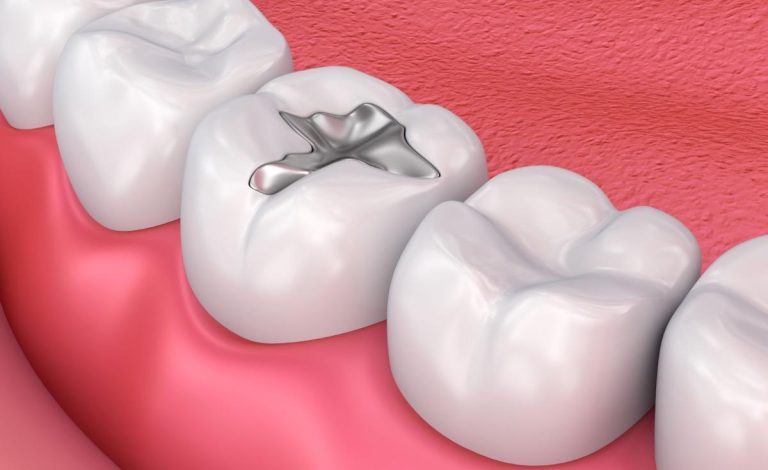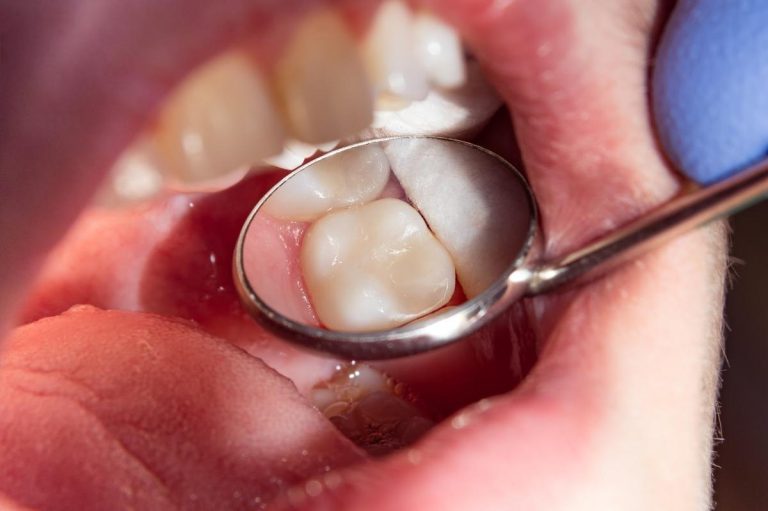
Most patients can eat after a filling once numbness has fully worn off, though the exact timing depends on the filling material and any aftercare instructions from the dentist. Different types of dental fillings set at different rates. Composite fillings harden immediately under a curing light, while amalgam continues to gain strength after placement. So when can you eat after a filling with confidence? Waiting until normal feeling returns to the lips, cheek, and tongue is the safest guide, since a numb mouth makes it easy to bite soft tissue without noticing.
Temporary fillings are short-term seals with more limited resistance to fracture and dislodgement than a permanent filling. Chew on the opposite side and avoid sticky or hard foods until the permanent one is placed.
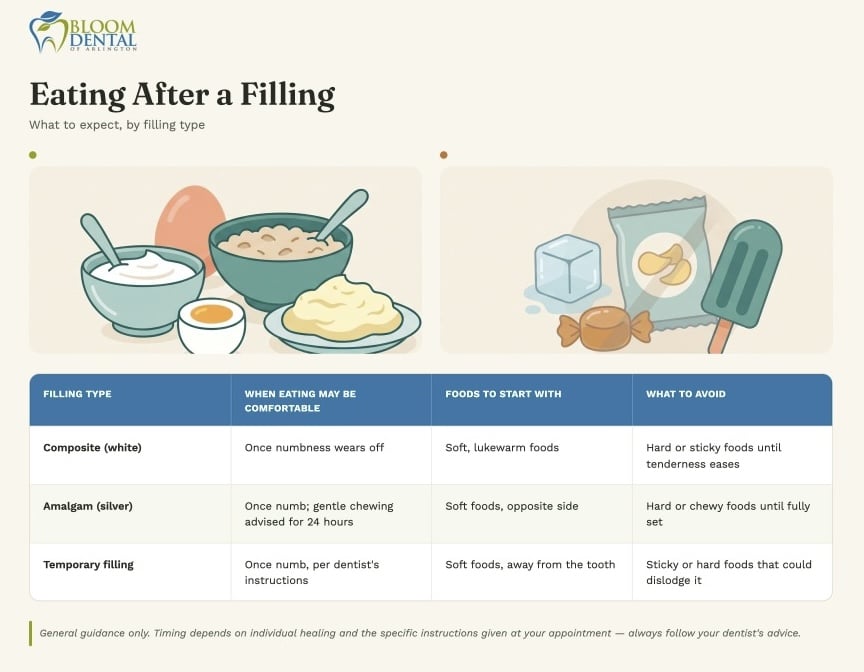
| Filling Type | When You Can Usually Eat | Important Precaution |
|---|---|---|
| Composite filling | After the numbness has fully worn off | Avoid biting your cheek, lip, or tongue while the area is numb |
| Amalgam filling | Follow your dentist’s instructions; avoid hard chewing on the tooth during the early setting period | The material continues to gain strength after placement |
| Temporary filling | After the numbness wears off and as directed by your dentist | Chew on the opposite side and avoid sticky or hard foods |
| Other filling materials | Timing varies by material and procedure | Ask your dentist whether any food restrictions apply |
Your dentist’s instructions should take priority because the recommended waiting time may vary based on the filling material, the size and location of the restoration, and whether local anesthesia was used.
Table of Contents
What Can You Eat After a Filling?
Let comfort and remaining numbness guide food choices. Good starting options:
- Yogurt or soft cheese
- Scrambled eggs or oatmeal
- Mashed potatoes or cooked vegetables
- Soft pasta or lukewarm soup
Yet, eating after a filling calls for short-term caution around foods that stress the restoration:
- Very hard foods (ice, nuts, hard candy) can crack or dislodge it
- Sticky foods (caramel, gum) can pull at the margins
- Crunchy foods (chips, raw carrots) need heavy chewing
- Very hot or cold items can trigger sensitivity
Tips for Eating Comfortably After a Filling
- Wait until normal sensation fully returns.
- Start with a small, soft meal first.
- Chew on the opposite side if tender.
- Avoid extreme temperatures for a day.
- Stop and call the dentist if biting hurts sharply.
What Is Normal After a Filling?
Mild sensitivity or pain after a filling can occur when the tooth is exposed to pressure, sweets, or temperature changes, but it should gradually improve. Pain that worsens or lingers after a trigger has passed is not typical and is worth having checked rather than diagnosed at home.
Contact the dental office if any of these occur:
- Worsening pain
- Persistent pain when biting
- A bite that feels uneven or high
- Swelling near the tooth or gum
- A loose, cracked, or lost filling
Seek urgent care right away for: rapidly spreading facial or neck swelling, trouble breathing or swallowing, uncontrolled bleeding, or fever with swelling. These are dental emergency signs per the ADA and should not wait for a routine appointment.
Why Choose Bloom Dental of Arlington
If a new filling still feels uncomfortable, learn more about dental filling options in Arlington, VA with Bloom Dental.
Frequently Asked Questions About Eating After a Filling
Is it normal for a tooth to hurt when chewing after a filling?
Mild sensitivity can occur, but sharp or persistent pain when biting may mean the filling needs adjustment. Contact your dentist if it does not improve.
Can you drink coffee after a filling?
Wait until the numbness has worn off, and avoid very hot coffee if the tooth is sensitive. Your dentist may provide additional instructions based on the filling material.
What should you do if your bite feels uneven after a filling?
Contact your dentist. A filling that feels too high may cause pain when biting and can often be corrected with a simple adjustment.