 By
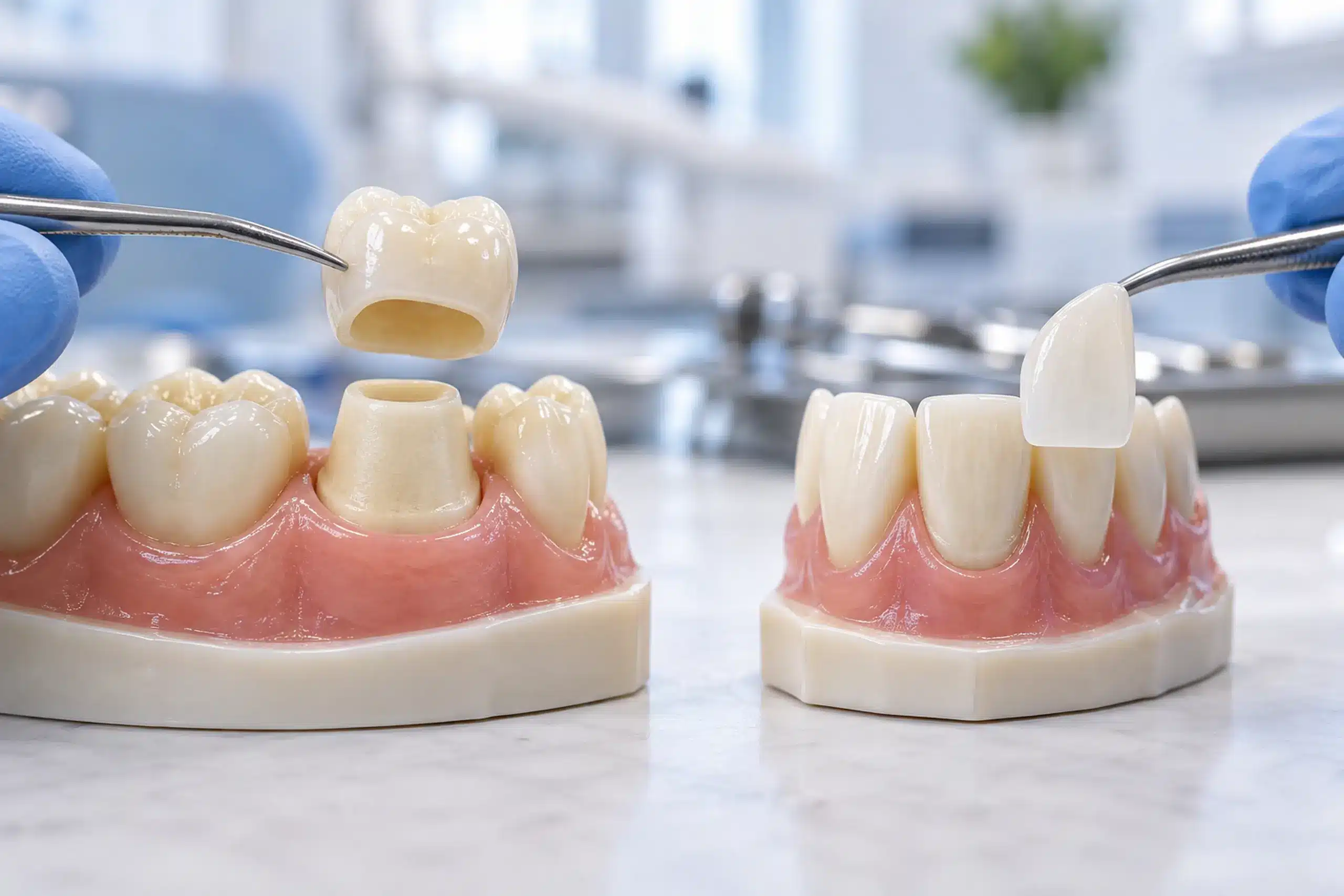
The difference between crown and veneer restorations comes down to coverage and purpose. A crown covers most...

Dental crowns are caps made to cover teeth that are already decayed or damaged in some way but do not require root canals or extractions. They can also be used to cover a tooth that recently had a root canal to strengthen and protect it.
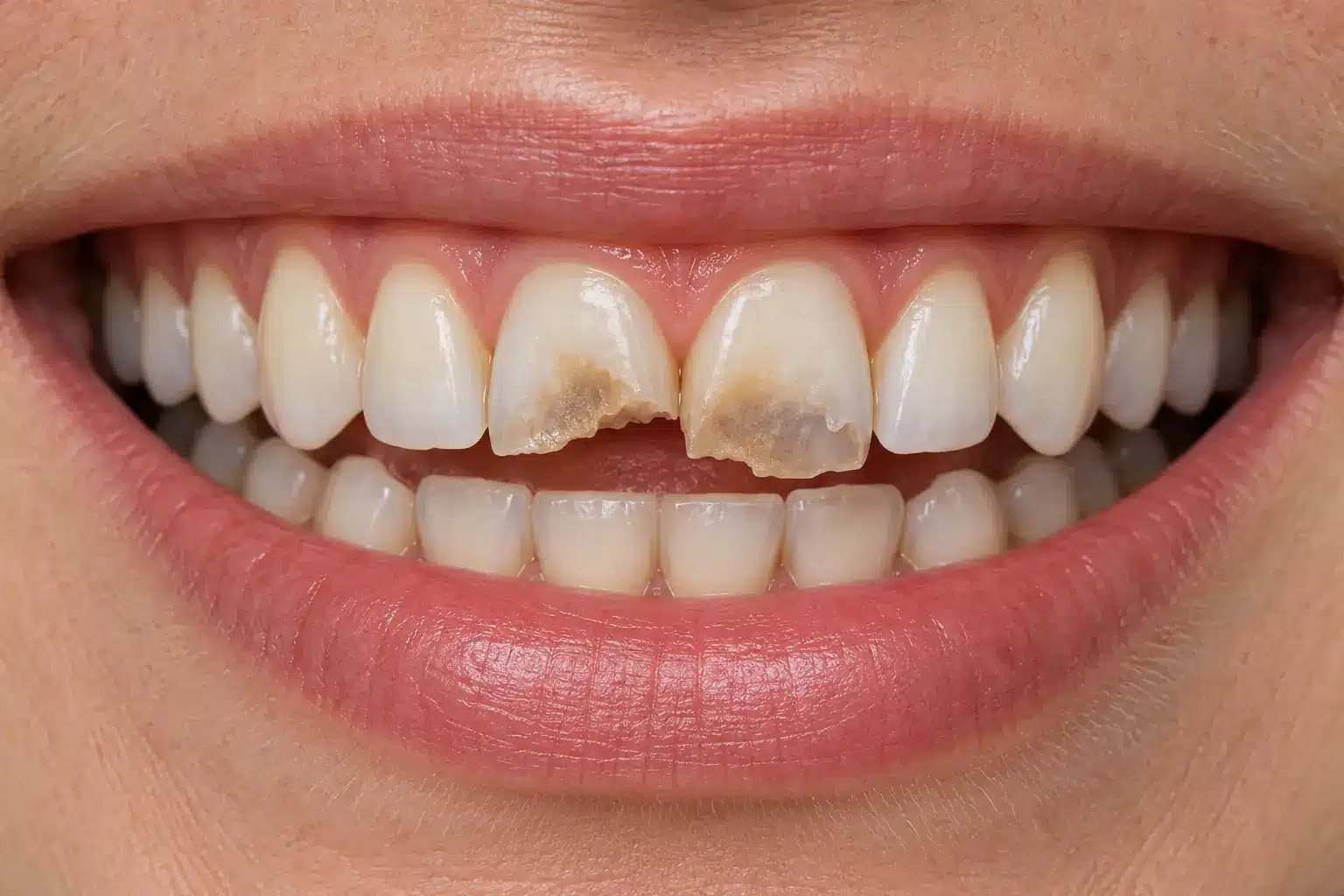
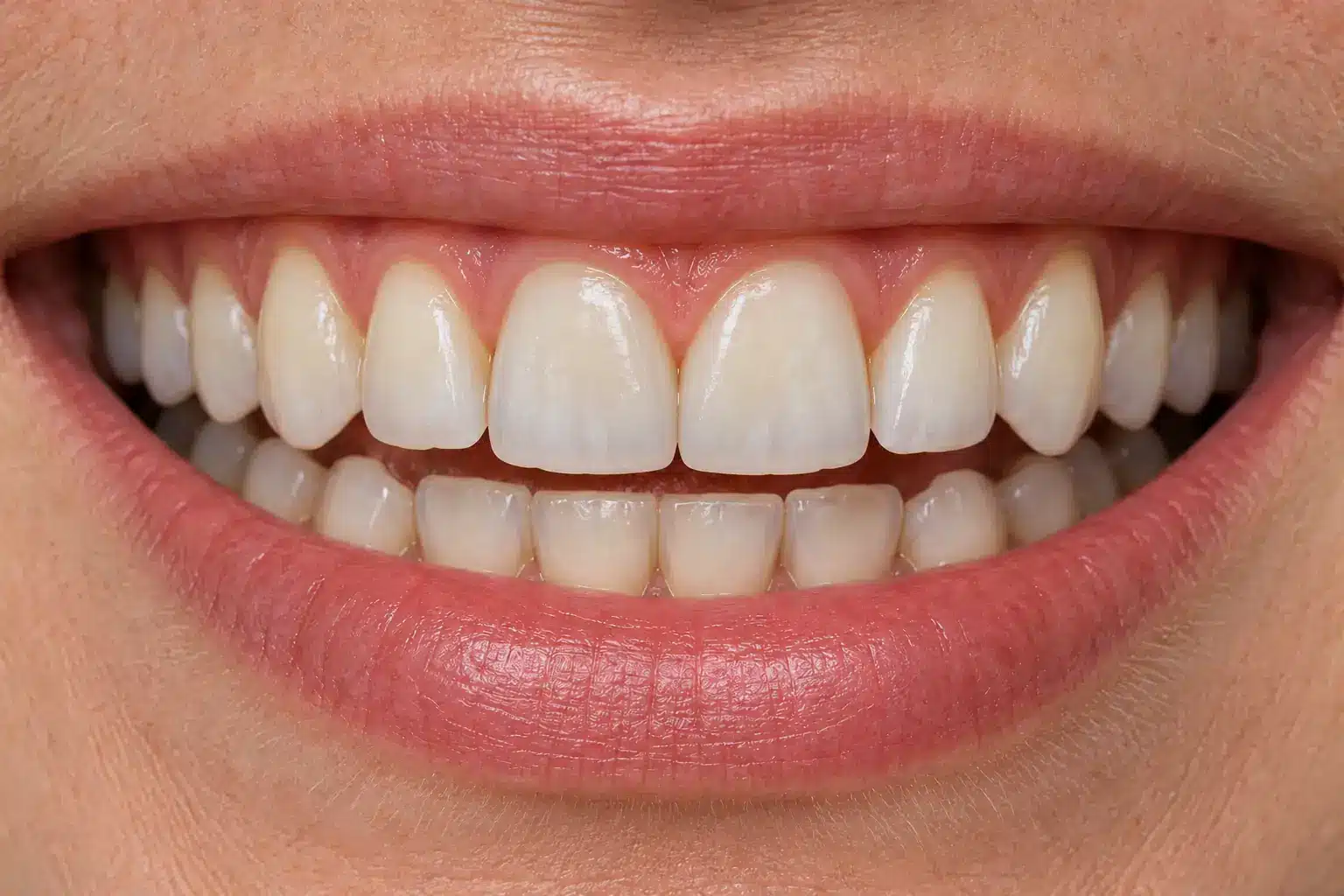
Are you living with cracked teeth? Do you feel your teeth are discolored? Do you struggle to muster the courage to smile in social situations? If any of these oral health issues are in your life, a dental crowns arlington va procedure could be the next best thing for you. Not only do they address cosmetic concerts, but they keep your teeth functional and can reduce pain as well.

If you want to visit a dental service in Arlington, VA for a dental crown treatment, contact us to book an appointment. As part of our comprehensive Restorative Dentistry in Arlington VA services, we use the latest technology to ensure crowns are made to the highest quality, accurately, and as fast as possible. We aim to minimize dental crowns Arlington VA procedure times, with most patients leaving with new crowns fitted on the same day.
If you have never had a dental crown before, you may wonder what the appointment involves. We explain each step before we begin, from checking your tooth to making sure your new crown feels right when you bite.
| Step | What happens |
|---|---|
| Checking your tooth | We examine the tooth and take X-rays if needed to check whether a crown is suitable or other treatment is needed first. |
| Preparing the tooth | We numb the area when needed, remove decay, and reshape the tooth to make room for the crown. If necessary, we build up damaged areas to support it. |
| Making your crown | An impression or digital scan records the shape of your tooth. This helps create a crown that fits your mouth and works with your bite. |
| Protecting the tooth while you wait | If your crown needs a separate fitting appointment, a temporary crown protects the prepared tooth until the final one is ready. |
| Fitting the final crown | We check the fit, appearance, and bite before securing the crown in place. Let us know if anything feels uneven or uncomfortable. |
| Looking after your crown | We explain how to clean around it and what to avoid. Regular dental visits help us check the crown and the tooth underneath. |
Your crown should feel comfortable when you chew. If your bite feels off after the appointment, contact us so we can check it.
Dental crowns typically last 10 to 15 years, although some can last 20 years or longer with proper care. Their lifespan depends on the material, oral hygiene, and habits such as teeth grinding.
Teeth can be damaged from regular activities in daily life. This often leads to cracks and chips and the appearance of broken teeth in the mouth. Crowns cover broken areas and allow normal chewing, speaking, and a usual mouth feel. Dental crowns can also be used after other dental surgeries to encourage proper healing.
Dentists will apply anesthetic to ensure the procedure is pain-free. They scrape down the original tooth’s shape to make space for the crown. After this a copy of your tooth will be made, which will then be used by a dental technician to create a cap. If you would like to know more about the treatment, we are a family dentist in Arlington, VA who is happy to talk about dental crown procedures to set your mind at rest.
The recovery period after a dental crown procedure can vary, but most patients report feeling better after 2 to 3 weeks. You can take over-the-counter painkillers to help reduce the pain and swelling experienced.
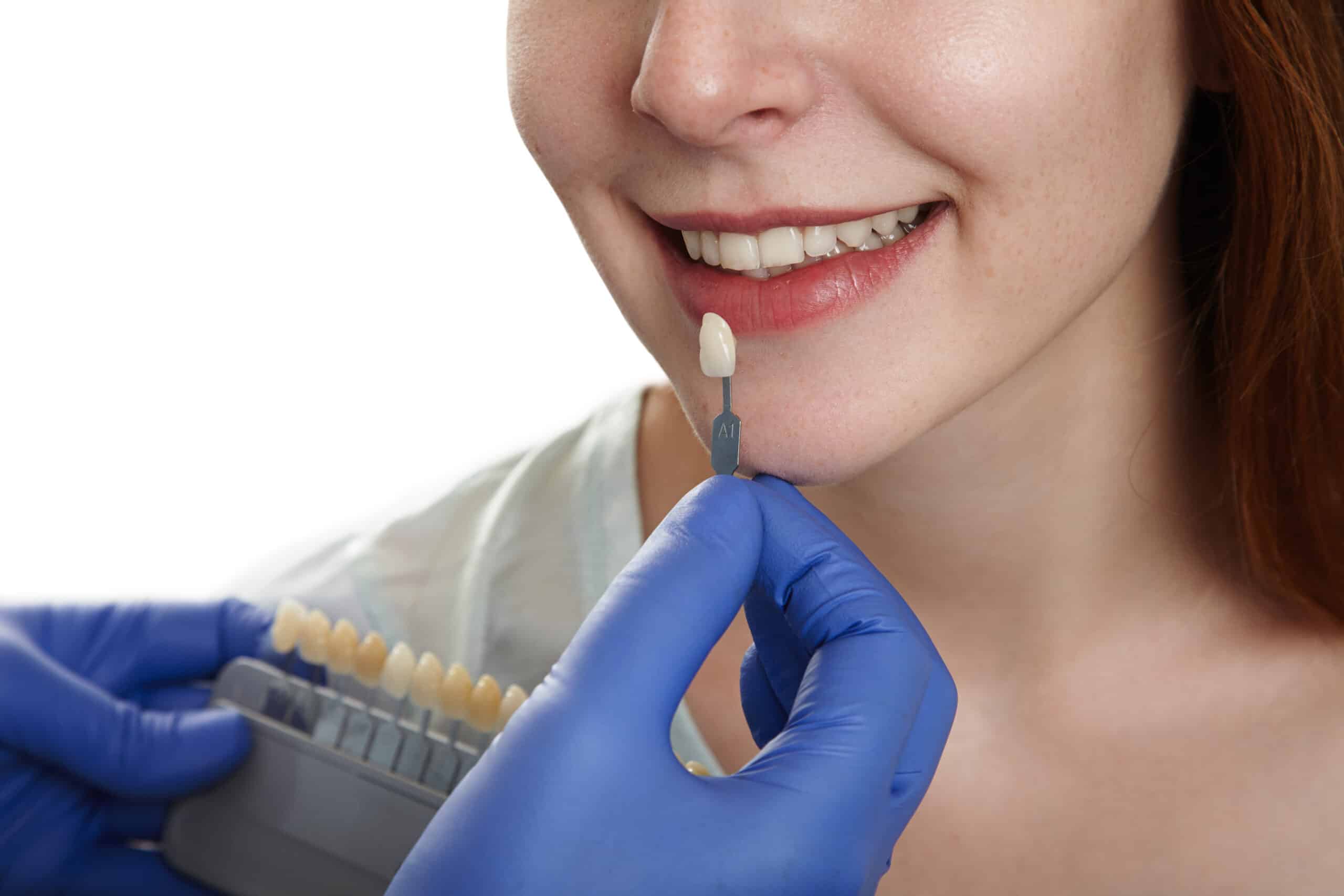
Veneers are primarily a cosmetic treatment, while crowns are a functional one. If you are more interested in the appearance of your teeth rather than any pain or oral health issues, a set of veneers could be better for you.
After a hiatus from regular dental exams, I followed a recommendation to check out Bloom Dental to get my dental health back on track. From my initial appointment-scheduling call to my exam experience, I’ve been very impressed with their professionalism and kindness. Upon arriving to...

I had a fantastic experience at Bloom Dental. The staff was incredibly caring and patient throughout my visit. The dentists here are true experts in their field, and they went above and beyond to ensure I felt comfortable and fully understood the process. I highly...

For many, including me, a visit to the dentist is anxiety inducing. This anxiety crept in after a fractured a tooth. Since I recently returned to the area from overseas, I had yet to establish dental care. No worry! I was able to book an...

After several bad dentist experiences in the DC area, I’m glad that I found Bloom Dental. They are kind, understanding, efficient and knowledgeable. Would recommend to anyone, especially those who have more complicated issues which they helped me solve with ease.
 By
The difference between crown and veneer restorations comes down to coverage and purpose. A crown covers most...
 By
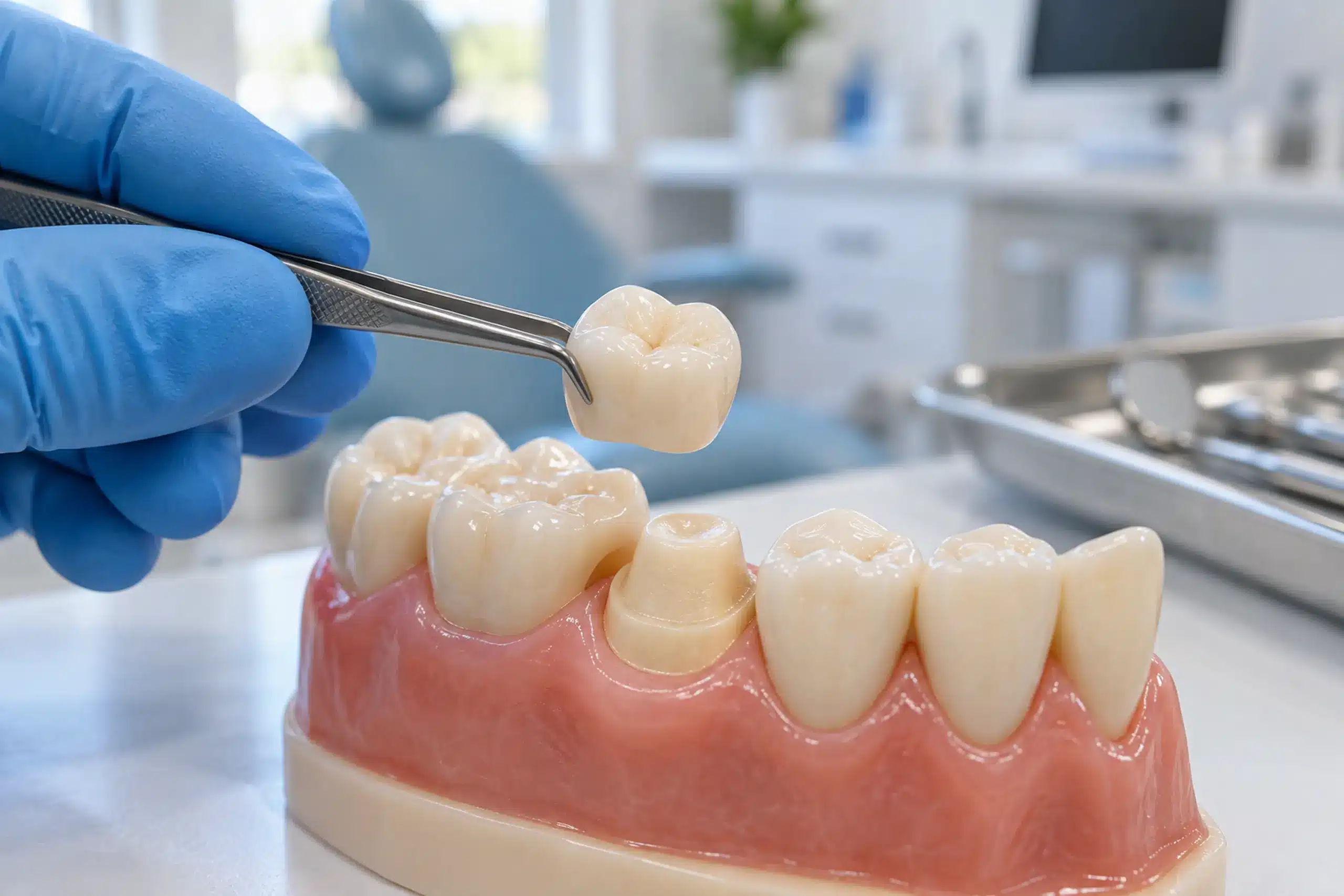
A crown after root canal treatment is often recommended, particularly for back teeth, but it is not...
 By
Losing a dental crown is already unsettling, but discovering that the tooth underneath looks dark gray or...