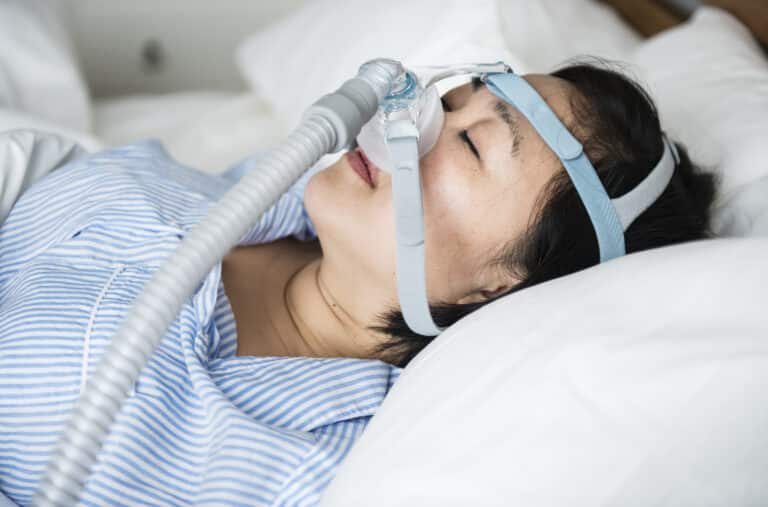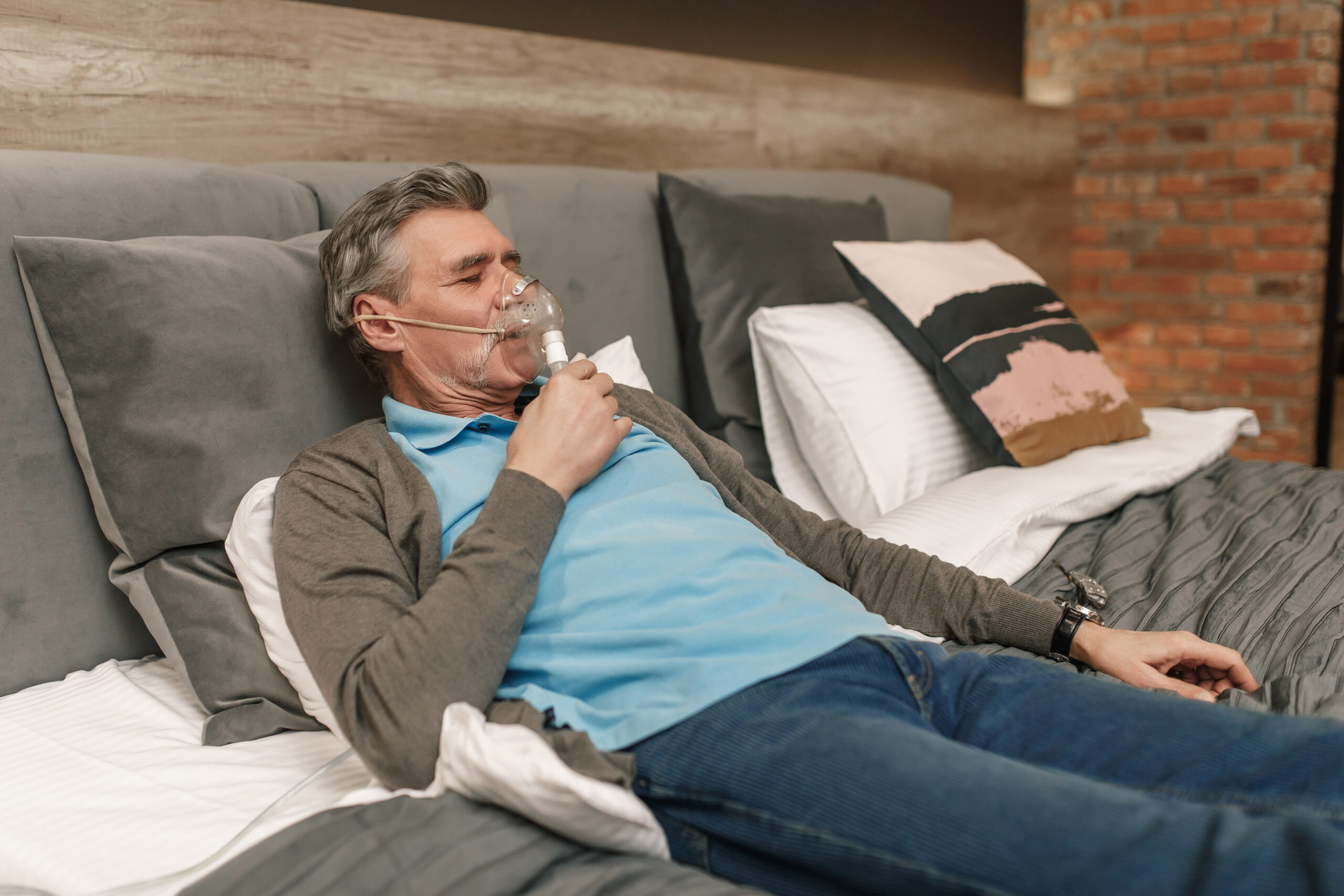
Sleep apnea is a common but potentially serious condition that affects millions of people throughout the United States. Characterized by repeated breathing interruptions during sleep, it can significantly disrupt daily life, work activities, and overall quality of life.
Naturally, many patients want to know: is sleep apnea a disability?
In some situations, yes. Sleep apnea may be considered a disability if it is severe enough to substantially limit a person’s daily activities or ability to work. However, simply having a diagnosis of sleep apnea does not automatically qualify someone as disabled. Whether sleep apnea is considered a disability depends on factors such as symptom severity, functional limitations, response to treatment, and the specific legal or workplace standards that apply.
Table of Contents
Understanding Sleep Apnea and Its Main Types
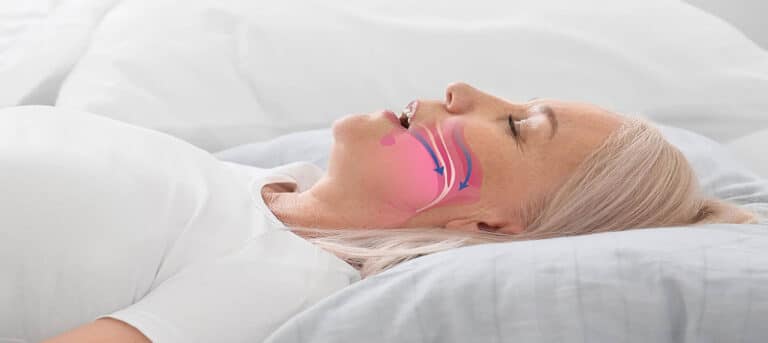
Sleep apnea occurs when breathing repeatedly stops and starts throughout the night, reducing oxygen levels and fragmenting restorative sleep. There are three main types of sleep apnea.
Obstructive sleep apnea, the most prevalent form, develops when relaxed throat muscles collapse and block airflow. Central sleep apnea arises when the brain fails to send proper signals to the muscles that control breathing. Complex sleep apnea syndrome combines features of both conditions and typically requires more complex clinical management.
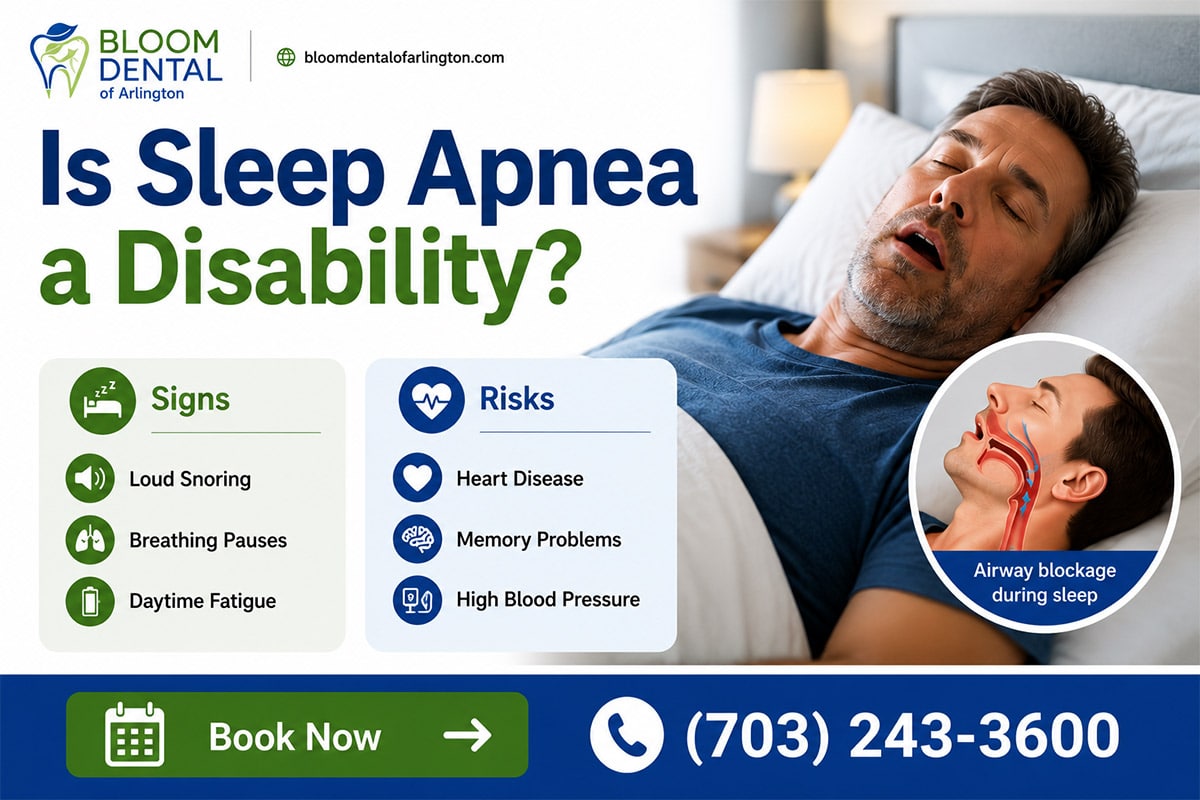
The common symptoms of sleep apnea span both nighttime and daytime experience. Loud snoring and disrupted breathing patterns during sleep are often the first signs a bed partner notices.
Patients themselves frequently report excessive daytime sleepiness, daytime fatigue, morning headaches, difficulty concentrating, memory problems, and mood changes. These symptoms, when persistent and severe, can interfere meaningfully with work performance and personal safety.
The scale of this condition is substantial. A 2025 article published in Respiratory Medicine estimated that obstructive sleep apnea affects nearly one billion people worldwide and is associated with cardiovascular diseases, metabolic disorders, cognitive impairment, and increased risk of early mortality. In the United States alone, more than 54 million adults between the ages of 30 and 69 were estimated to have obstructive sleep apnea, with modeling studies projecting that figure could reach 76 to 77 million by 2050. Despite this prevalence, 80 to 90 percent of people with the condition remain undiagnosed, making awareness and early evaluation particularly important.
Is Sleep Apnea a Disability for Work?
For workplace purposes, sleep apnea is not automatically considered a disability. However, if the condition substantially limits major life activities or affects an employee’s ability to safely perform essential job duties, it may qualify for workplace protections depending on applicable laws and individual circumstances.
Employees who experience significant symptoms should discuss treatment options with their healthcare provider and, when appropriate, speak with their employer’s human resources department regarding possible accommodations.
Long-Term Health Complications of Untreated Sleep Apnea
Untreated sleep apnea carries significant long-term health consequences that extend well beyond poor sleep quality. Research has linked sleep apnea to an increased risk of high blood pressure, heart disease, heart attacks, chronic heart failure and chronic pulmonary hypertension. Cognitive impairments and mental health issues are also well-documented complications, affecting a patient’s ability to concentrate, retain information, and regulate mood.
Why Choose Bloom Dental of Arlington
At Bloom Dental of Arlington, we recognize that sleep apnea is far more than a nighttime inconvenience. Our team specializes in the dental management of sleep-disordered breathing, and whether you are newly diagnosed or exploring treatment options: we are here to help.
We invite you to visit our sleep apnea services page to learn more about how dental care can support your overall sleep health.
FAQs About Sleep Apnea being a Disability
Is sleep apnea a disability?
Is obstructive sleep apnea a disability?
Can treating sleep apnea improve work performance?