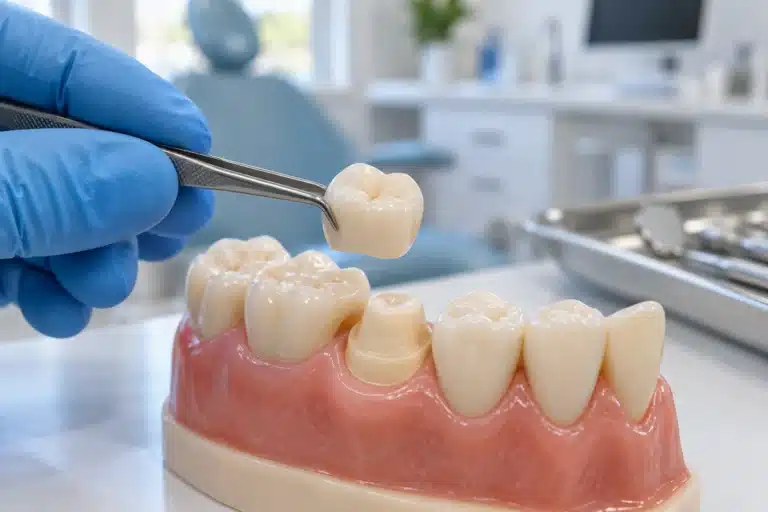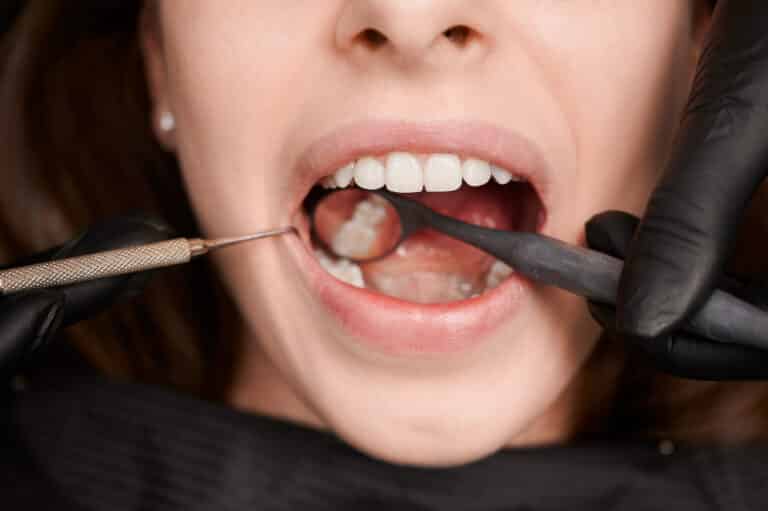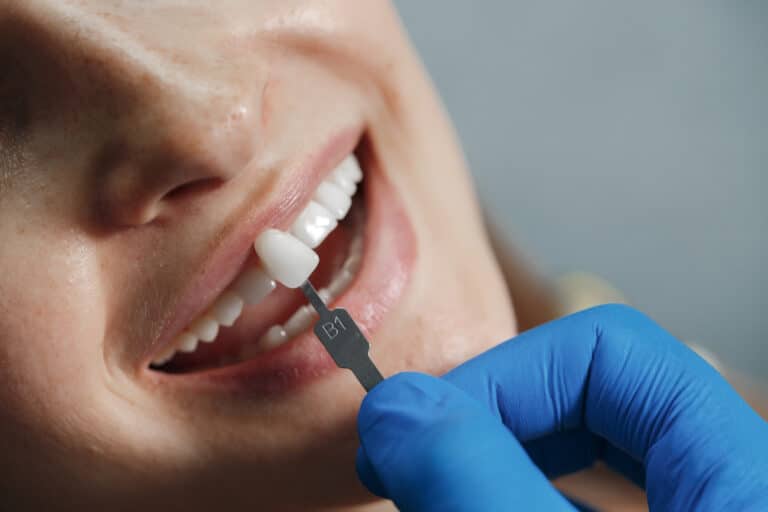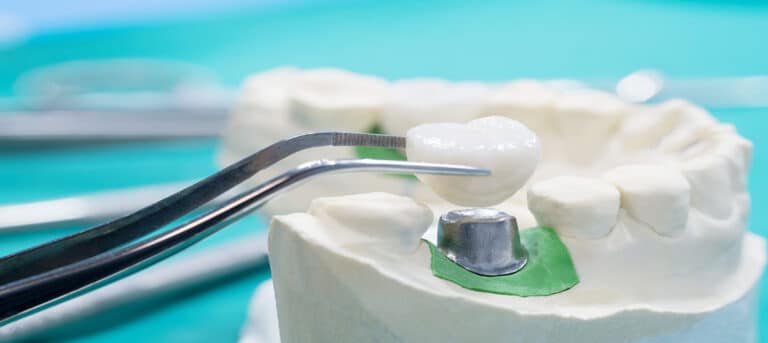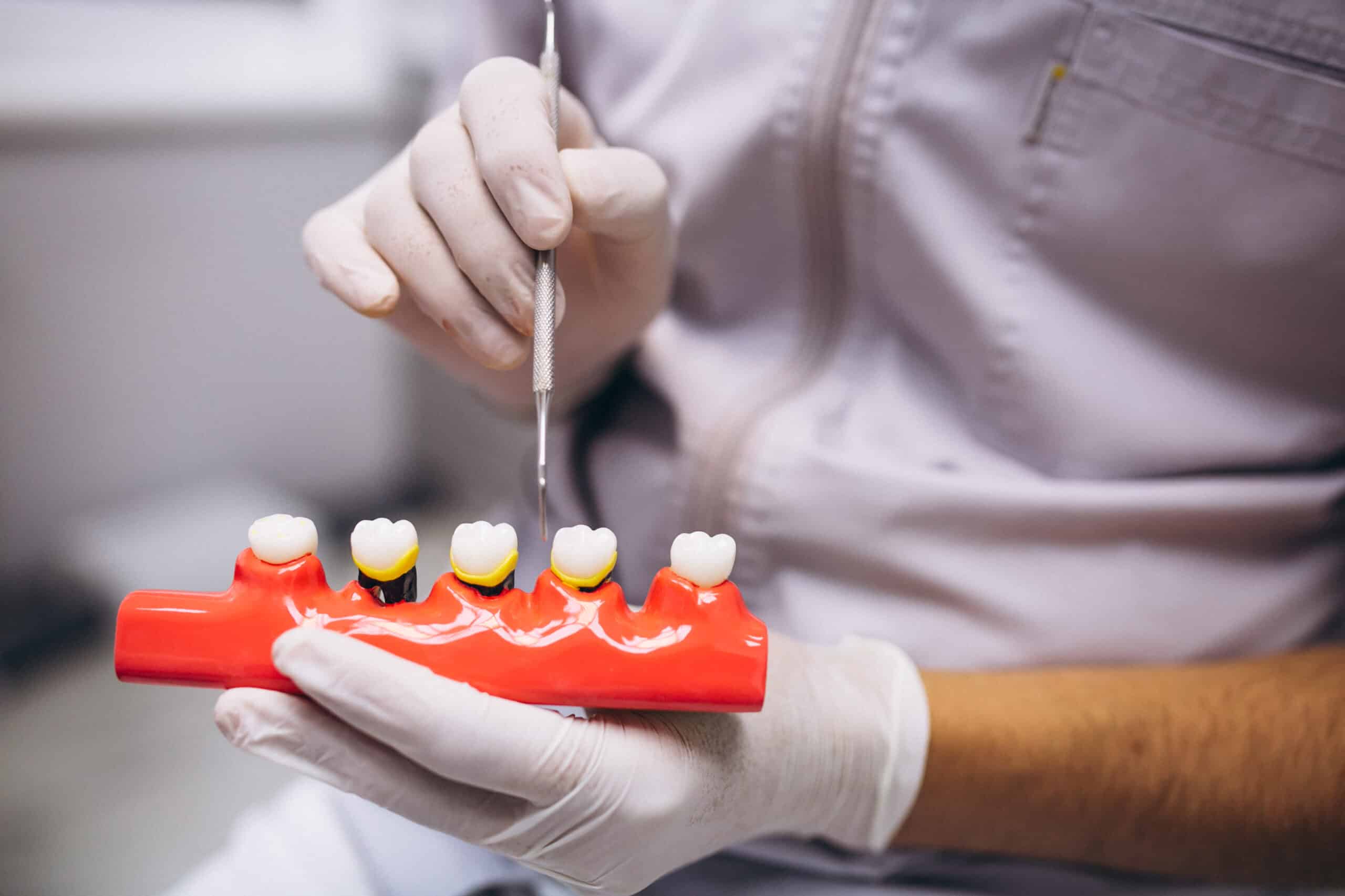
Front tooth crowns are among the most trusted restorations in modern dental care. If you have a chipped, cracked tooth, or a damaged tooth that has compromised both function and appearance, a well-placed dental crown can be the right choice for rebuilding a confident smile. Understanding how strong crowns on front teeth really are helps patients make informed decisions about their restorative dentistry and cosmetic dentistry options. When a crown alone is not sufficient, dental implants or dental bridges may also be considered, but front tooth crowns remain a cornerstone of dental restoration for the anterior dentition. Unlike back teeth, which absorb the full force of chewing, front teeth are primarily responsible for biting softer foods, which shapes material selection.
Today’s dental crown materials, including porcelain crowns, ceramic crowns, and zirconia crowns, are engineered to deliver both strength and a natural look that closely matches your natural teeth.
Table of Contents
The Role of Material Selection in Front Crown Strength
The strength of front teeth crowns depends significantly on the material from which the restoration is fabricated and the quality of its bond to the prepared tooth. Modern dental crown materials are designed to replicate the structural properties of natural teeth while accommodating the aesthetic requirements of a visible smile. Material choice is one of the most consequential decisions in dental crown placement, and your cosmetic dentist will guide you toward the right choice based on your clinical needs and cosmetic reasons.
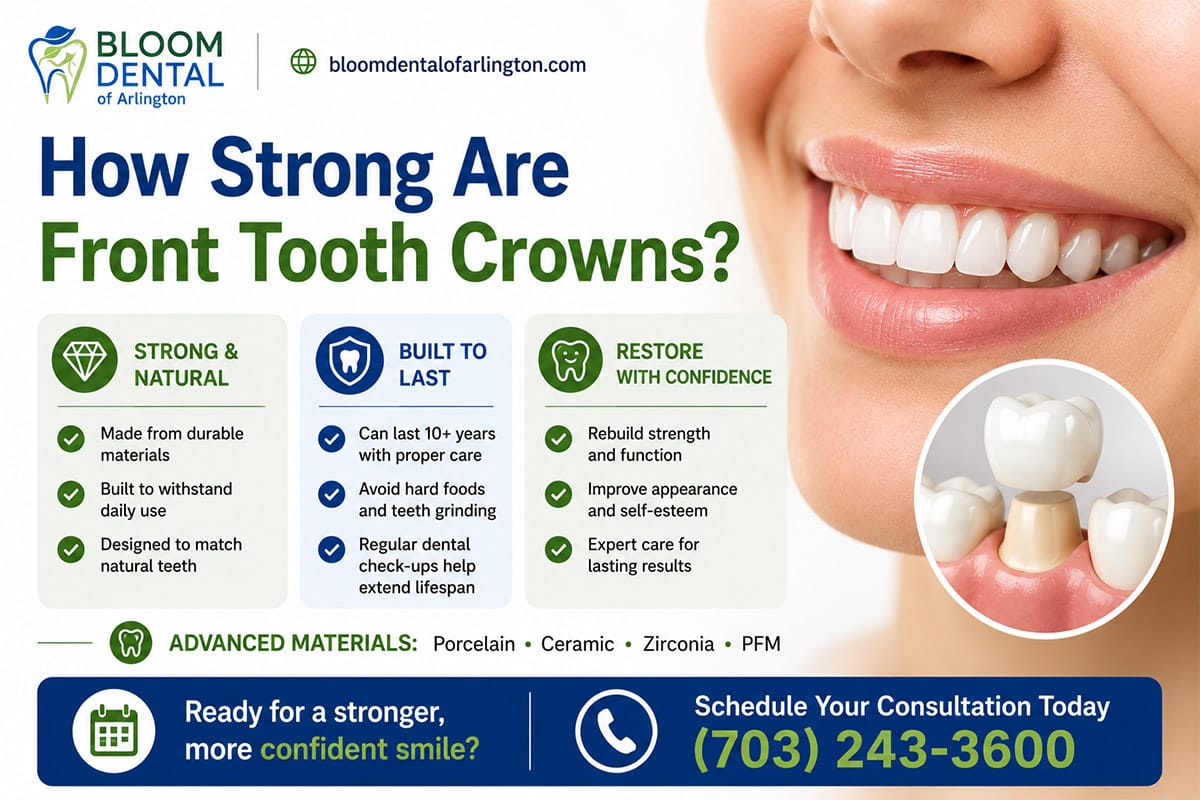
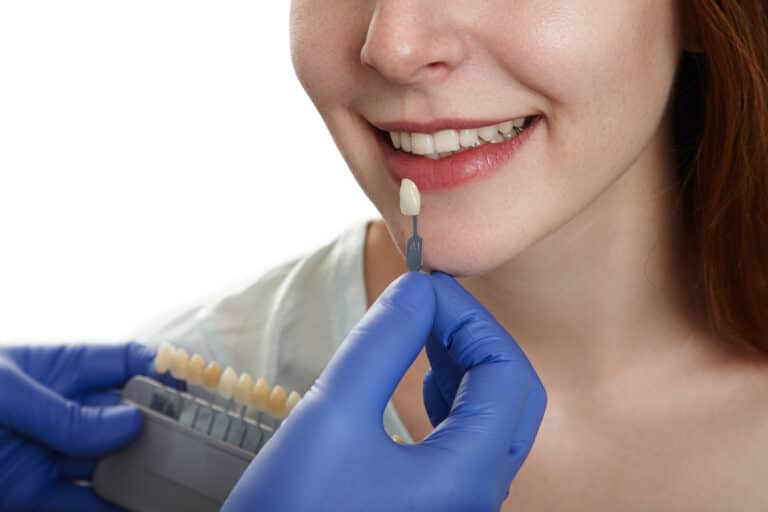
Porcelain and ceramic crowns remain the most widely used options for front crowns because of their ability to mimic the translucency and color of real teeth, making them a natural-looking solution with strong aesthetic appeal. Zirconia crowns offer exceptional strength with a more natural appearance than older all-ceramic options, and their resistance to wear and tear makes them particularly well suited for patients with a history of bruxism. PFM crowns, which combine a metal substructure with a porcelain exterior, provide additional structural support for cases where the underlying tooth has been significantly weakened, while metal crowns, though highly durable, are rarely used for front crowns given their limited aesthetic appeal.
A 2022 clinical study on tooth-supported single crowns published in the European Journal of Oral Science noted that porcelain chipping is among the most frequently reported technical complications for veneered single crowns, and that all-ceramic restorations fabricated without a veneer layer offer a viable path to overcoming this limitation. The study reinforced that ceramic material selection plays a decisive role in clinical outcomes, underscoring the value of working with an experienced team when evaluating the types of crowns appropriate for front teeth.
It is equally important to recognize that the strength of any crown is only as reliable as the underlying tooth structure. A weakened tooth, a large filling, or a previously cracked tooth may require additional reinforcement before dental crown placement to achieve optimal long-term outcomes. Dental bridges and dental implants may be recommended in cases where the tooth cannot adequately support a crown on its own.
How Long a Front Tooth Crown Can Last With Proper Care
With proper care and regular dental visits, a permanent crown on a front tooth can remain fully functional for a decade or more. With good care and consistent professional oversight, many patients retain their front crowns for considerably longer.
Durability, however, is not determined by materials alone. Daily habits have a measurable impact on how long a crown can last. Biting into hard foods, using teeth as tools, or grinding and clenching the teeth during sleep, places excessive force on dental restorations and accelerates wear and tear. Patients who grind their teeth are often advised to wear a custom night guard to protect both the crown and your natural teeth from further damage. This protective measure is a straightforward component of good care that can meaningfully extend the life of any dental restoration.
Your dental care habits between appointments matter as much as the quality of the restoration itself.
Why Choose Bloom Dental of Arlington
At Bloom Dental of Arlington, our team brings a comprehensive approach to dental care, combining clinical expertise with individualized attention across cosmetic dentistry, restorative dentistry, and family dentistry services. From initial consultation through crown placement and long-term follow-up, we are committed to outcomes that restore both function and confidence for every patient we serve.