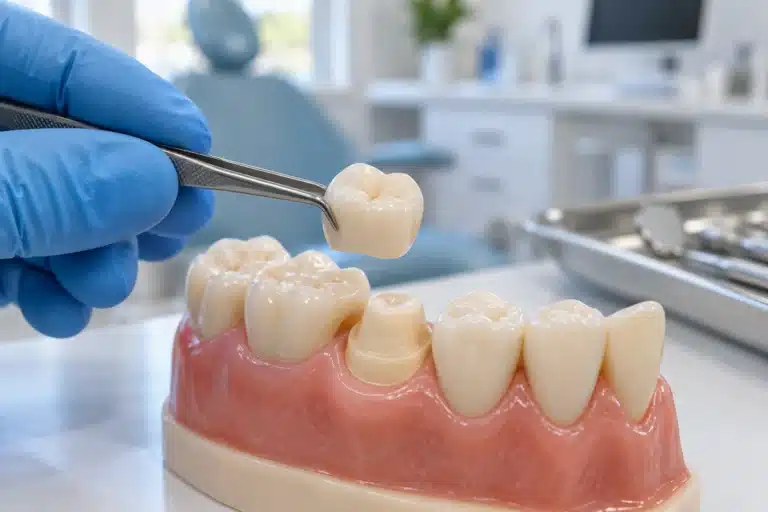
Patients often ask: ” Can you get a crown without a tooth? The answer is yes—with help from dental implants or dental bridges. Dental crowns remain essential to tooth replacement, providing durability, a natural look, and function for missing teeth.
Table of Contents
Can You Get a Crown If There Is No Tooth?
Yes, you can get a crown without a natural tooth — but the crown must be supported by something else. A dental crown cannot attach directly to empty gum tissue or bone. Instead, dentists use either a dental implant or a dental bridge to hold the crown securely in place.
If you are wondering:
- “Can you put a crown where there is no tooth?”
- “Can you get a crown for a missing tooth?”
- “Can you get a crown if there is no tooth?”
the short answer is yes, but only when proper structural support exists underneath the crown.
This support is usually provided by:
- A dental implant placed in the jawbone
- Adjacent teeth supporting a bridge
- In some cases, remaining tooth structure that can still hold a crown
| Situation | Can You Get a Crown? | Typical Solution |
|---|---|---|
| Tooth still mostly intact | Yes | Traditional dental crown |
| Tooth badly damaged but root remains | Sometimes | Crown with post/core buildup |
| Tooth completely missing | Yes | Implant-supported crown |
| Missing tooth with healthy neighboring teeth | Yes | Dental bridge |
| Not enough bone for implant | Possibly | Bone graft + implant |
| Multiple missing teeth | Yes | Bridge, implants, or implant-supported dentures |
Why a Crown Cannot Be Placed Without Support
A dental crown is designed to cover and protect a tooth-shaped structure. Without something underneath to anchor it, the crown cannot stay stable or function properly. Traditional crowns are cemented onto prepared tooth structure. If the tooth has been fully removed, there is nothing for the crown to grip onto naturally. That is why modern restorative dentistry uses implants or bridges to support crowns when teeth are missing.
The Key to Success: A Matter of Support
A dental crown cannot simply be placed where a tooth no longer exists, because there is no natural tooth structure to cement it onto. A typical permanent crown—whether a porcelain crown or another type of crown—needs enough tooth structure remaining so it has something to “grip” onto. When there’s insufficient remaining tooth structure or when the tooth has been completely extracted, a standard crown alone will not stay in place. Dental crowns work when proper support is in place.
Modern dental care offers effective ways to place a crown without a natural tooth. The key is what supports the crown—either a dental implant or a dental bridge.
Dental Implants: Exceptional Long-Term Success
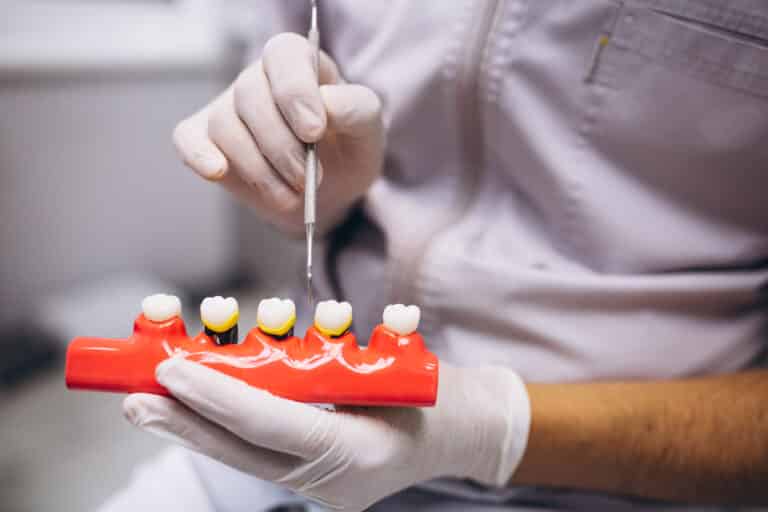
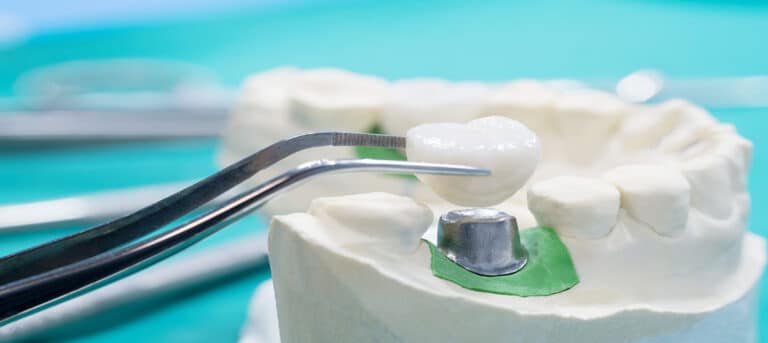
A dental implant replaces the tooth root with a titanium post in the jawbone. After healing, a custom crown is attached, creating a natural-looking artificial tooth.
The success rates for dental implants supporting new crowns are among the highest in restorative dentistry. A 2008 NIH-sponsored systematic review reported that estimated 5‑year survival rates for implants supporting single crowns were generally high, typically ranging from about 90% to 100% across the included studies. The same review estimated that peri‑implantitis and other soft‑tissue complications occurred adjacent to about 9.7% of implant‑supported single crowns after five years, and that bone loss greater than 2 mm occurred in approximately 6.3% of implants over the same period
Long-term data show about 94% survival at 15 years. A study found 95.6% of implants and 60.9% of crowns survived after almost 40 years. Crowns may need to be replaced more often due to wear, but these results show strong reliability.
Dental Bridges and Other Treatment Options
When an implant isn’t the best treatment option, a dental bridge uses crowns on adjacent natural teeth to bridge the gap created by the missing tooth. The false tooth in the middle restores both function and appearance. In both cases, the crown is custom-made by a dental lab to seamlessly match the surrounding natural teeth.
Crown vs Implant vs Bridge: What’s the Difference?
| Restoration | Replaces Root? | Replaces Tooth? | Requires Neighbor Teeth? |
|---|---|---|---|
| Traditional Crown | No | Covers existing tooth | No |
| Implant Crown | Yes | Yes | No |
| Dental Bridge | No | Yes | Yes |
When Tooth Structure Remains
Not all damaged teeth need replacement. If enough tooth remains after decay, a crack, or a break, a traditional crown can restore and protect it. Crowns are often used after root canals, large fillings, or significant wear has weakened a tooth.
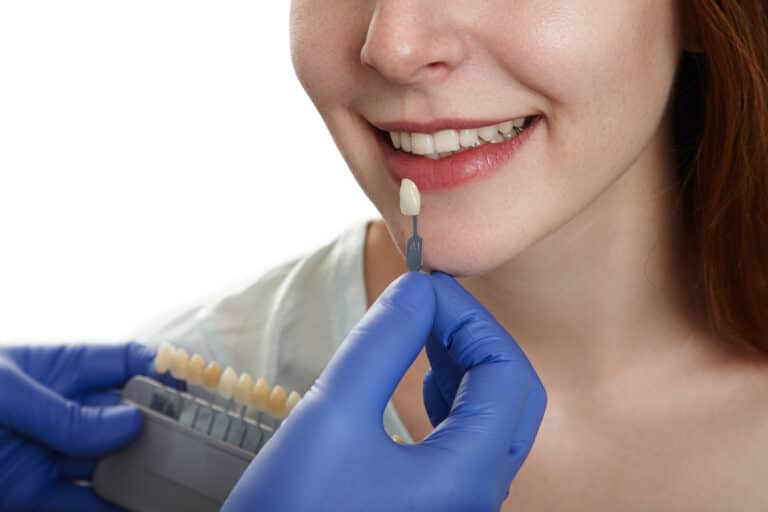
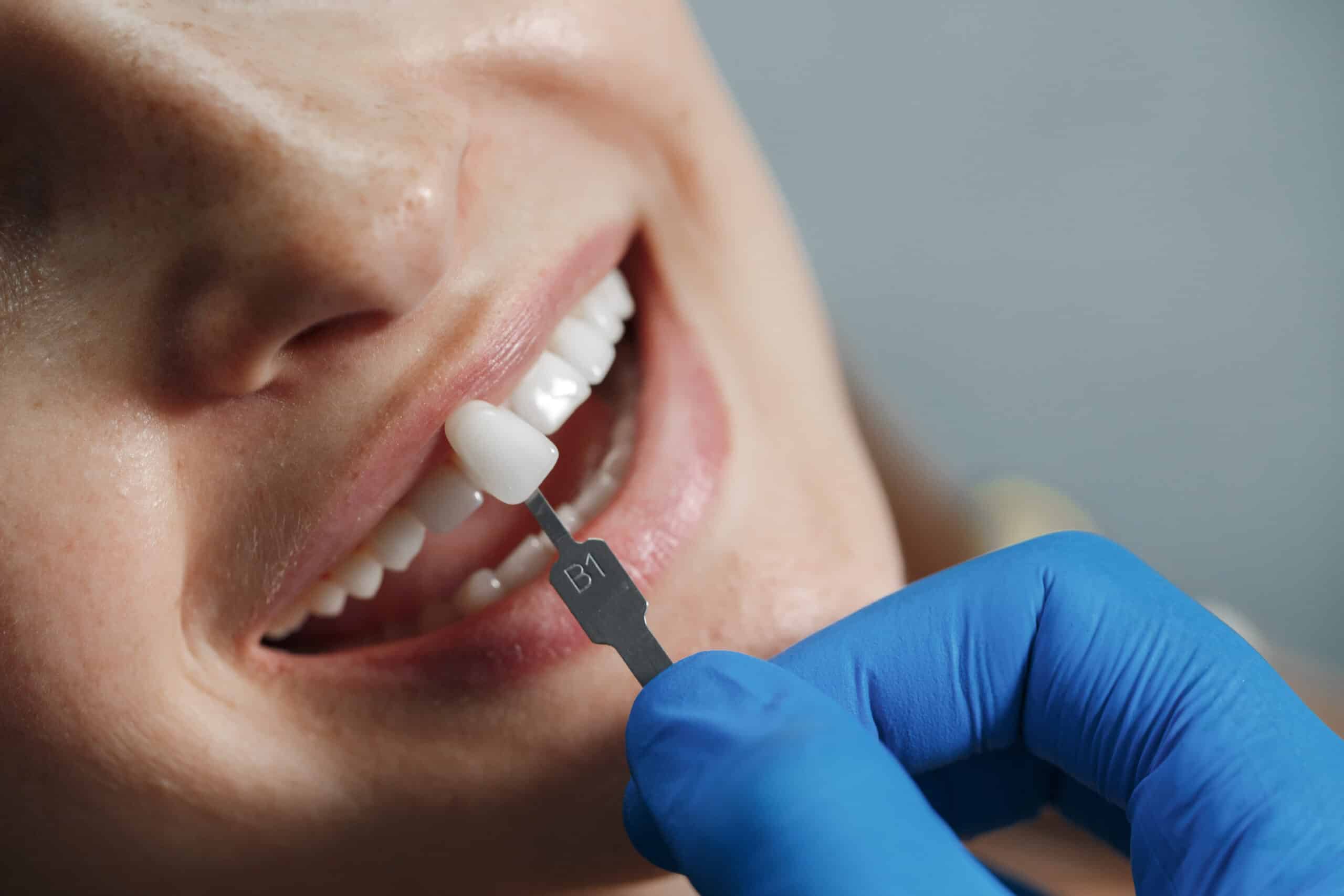
Types of dental crowns include porcelain crowns for a natural look, metal crowns for maximum durability, porcelain-fused-to-metal crowns for balanced strength, and composite crowns. Some practices offer same-day crowns using advanced technology. Your dentist will recommend materials based on tooth location, bite force, and whether the crown will be supported by an implant, bridge, or natural tooth.
If your crown falls off, prompt dental treatment is essential to prevent tooth loss or further damage.
What If a Crown Falls Off?
Even strong dental crowns may occasionally loosen or fall out because of wear, decay, trauma, bite pressure, or underlying problems such as tooth pain under crown caused by infection or decay beneath the restoration. In some situations, patients notice that their crown came off without pain. If your situation sounds like “your crown fell out but it doesnt hurt،” it is still important to have the tooth evaluated quickly to prevent further damage, sensitivity, or infection.
Creating Your Personalized Treatment Plan
Choosing between a bridge, implant, or other option depends on your dental health, remaining tooth structure, infection or decay, and long-term goals. Maintaining your restoration requires proper care, including good oral hygiene, regular check-ups, avoiding sticky foods, and wearing a mouth guard if you grind your teeth to prevent complications.
At Bloom Dental of Arlington, our experienced team specializes in restorative dentistry from crowns to implants. We evaluate your dental health and design a treatment plan for your needs.
If you are considering your options for getting a crown without a tooth, contact us today to schedule a consultation. We will walk you through your choices, explain our dental crown procedures in detail, and help you find a lasting solution to restore your confident smile.
FAQ About Getting a Crown Without a Tooth
Can you get a crown without a tooth? Can you put a crown where there is no tooth? Can you get a crown for a missing tooth?