
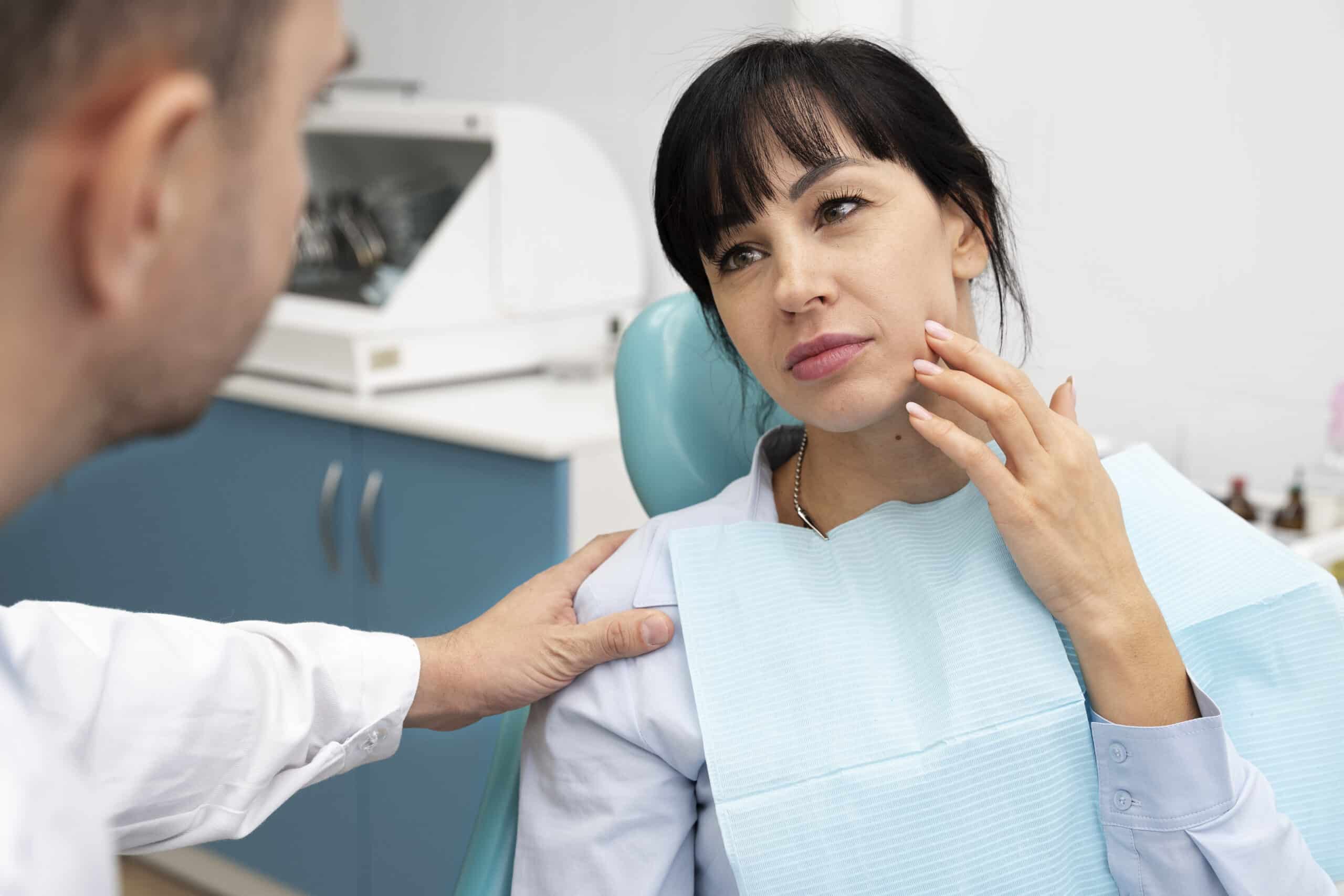
Experiencing discomfort after receiving a dental crown is a common concern that many patients face. While some sensitivity following crown placement is normal, understanding how to manage this pain and recognizing when to seek professional help can ensure your comfort and the success of your dental restoration. To better manage post-crown discomfort, it helps to first understand what causes it and when it signals a potential issue.
Table of Contents
Understanding Tooth Sensitivity and Nerve Irritation
Several factors can contribute to pain following crown placement. The procedure itself may cause temporary exposure of the tooth’s nerve, leading to heightened sensitivity under the crown. Bite alignment issues can create excessive pressure on the crowned tooth, resulting in discomfort during chewing or even at rest. Gum inflammation or gum problems near the affected tooth are also common culprits of post-crown pain.
In some cases, underlying tooth decay or complications from an old filling may become apparent after a crown is placed. If bacteria become trapped beneath the crown, it can lead to decay or infection under the dental crown, causing persistent discomfort. Additionally, teeth grinding can place significant stress on the crown and surrounding tooth structure, exacerbating pain and potentially compromising the restoration’s integrity.
While mild sensitivity is often temporary, not all pain should be ignored. Understanding when discomfort becomes a sign of a larger problem is essential for protecting your oral health.
Warning Signs Your Crown Needs Attention
While mild discomfort is expected, certain symptoms warrant immediate professional attention. Sharp pain or throbbing tooth pain that persists for more than a few days should not be ignored. Severe pain around the crown or surrounding teeth may indicate a more serious issue requiring intervention from your dental professional.
A dental crown that is no longer in good condition may show specific warning signs. These include persistent sensitivity, pain, or discomfort, a cracked tooth beneath the crown, or visible damage to the crowned tooth itself. Signs of gum disease, such as swelling or bleeding around the crown site, should prompt you to call your dentist. Gum irritation or gum recession around the crown margins can expose vulnerable areas to plaque buildup and decay.
A bad taste in your mouth may indicate an infection under the dental crown that requires prompt treatment. Similarly, if you notice a damaged tooth or suspect a cracked crown, seeking immediate attention is crucial to prevent further complications. A tooth abscess under a crown can cause severe, worsening pain that demands urgent care. If these symptoms occur, schedule your dental visit promptly so your dentist can identify the cause and prevent more serious problems.
However, if your discomfort is mild and improving, there are several simple steps you can take at home to manage pain while your mouth adjusts to the new crown.
Home Remedies for Temporary Relief of Crown Pain
Several effective home remedies can provide temporary relief while your mouth adjusts to the new crown. Rinsing with warm saltwater—mixing one teaspoon of salt in warm water—helps reduce inflammation and promotes healing of the gum tissue. Applying a cold compress to the outside of your cheek can help minimize swelling and provide temporary pain relief by numbing the area.
Using desensitizing toothpaste formulated for sensitive teeth can gradually reduce discomfort, particularly when dealing with temperature sensitivity. During the initial healing period, avoid hard, sticky, cold, and extremely sugary foods that may aggravate the crowned tooth. Practice good oral hygiene with a soft-bristle toothbrush to keep the area clean without causing additional irritation.
For mild pain, over-the-counter pain relievers such as ibuprofen can provide effective relief. Drinking room-temperature liquids helps avoid temperature sensitivity triggers that can cause sharp, sudden pain. Some patients find that natural herbal remedies, such as clove oil, are beneficial for localized pain relief when applied carefully to the affected area.
If your discomfort continues despite these measures—or worsens over time—it may indicate an underlying issue that requires professional evaluation and treatment.
Treatment Options When Crown Pain Persists
When a crown causes ongoing problems and the pain is not being relieved, several treatment options are available depending on the severity of the issue. If crown fit issues are causing an improper bite, your dentist may adjust or replace the crown to alleviate the issue. Sometimes, a simple replacement with a new crown is all that is needed to restore comfort and function.
If an infection is present, antibiotics may be prescribed before further treatment. If the underlying tooth becomes infected, root canal therapy may be required before placing a permanent crown. In cases where a tooth is too weak or too damaged to be saved, a dental implant may be the most effective solution for long-term oral health.
Because ongoing pain can have many possible causes, having an experienced dental team evaluate your situation is key to finding lasting relief.
Why Choose Bloom Dental of Arlington
At Bloom Dental of Arlington, our dental team offers a wide range of services, including cosmetic dentistry and comprehensive dental restorations. We provide expert dental work to alleviate dental crown pain and ensure your comfort through customized treatment plans for permanent relief.
We utilize a range of materials that strike a balance between strength, aesthetics, and comfort. Whether you need a temporary crown, a new crown, or long-term solutions for damaged teeth, we provide treatment options tailored to your needs and lifestyle. Our goal is to restore both the function and appearance of your natural teeth, helping you enjoy lasting dental health.